One of the most common questions I get is some variation of “how much does a shoot cost?” and I completely understand why people lead with that. You want to know if it’s within budget before you invest time in a conversation. I get it. But the honest answer is that it depends, and not in a vague, dodging-the-question kind of way. It genuinely depends on quite a few things, and I think it’s worth explaining why.
I try to be as transparent as I can about pricing. There’s a quote calculator on my website that lets you get a ballpark figure based on shoot length and location, and I’ve structured it so that local and small businesses are prioritised in terms of price. I see that as important - supporting the businesses around me, almost like a charity rate in some cases. I also offer a range of shoot lengths, and the longer shoots gradually become better value per hour, which I think is fair.
But here’s where it gets a bit more complicated.
The Menu Question
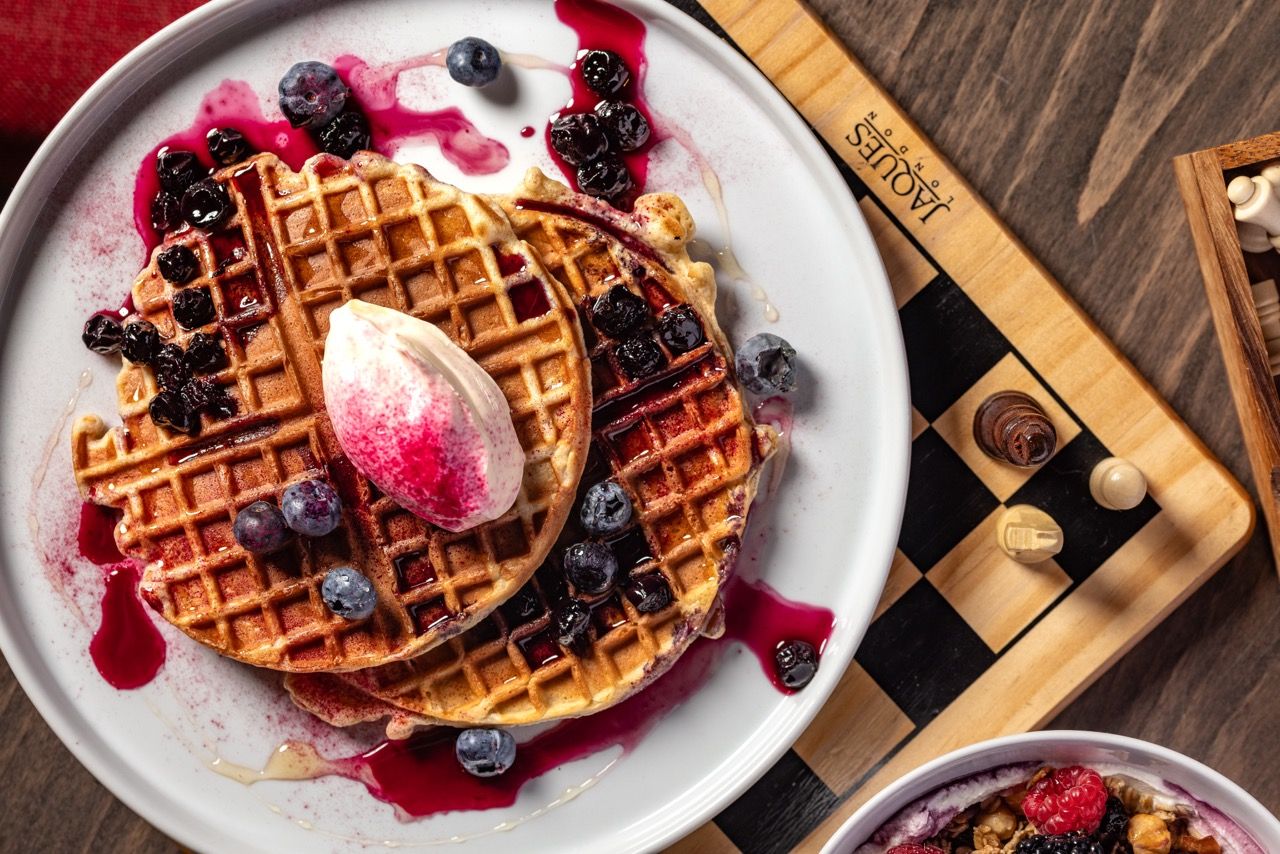
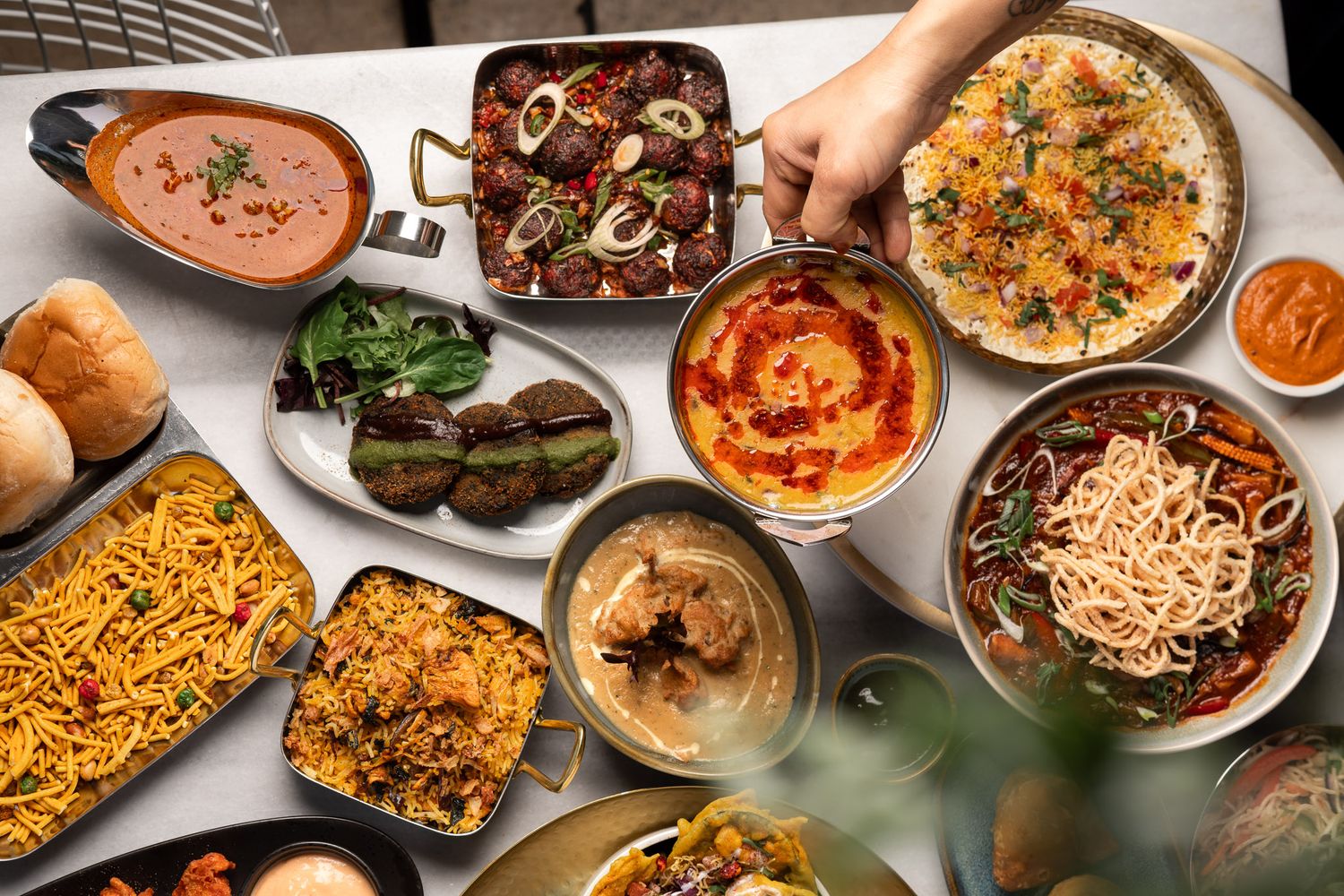
A really common example of this is when a restaurant gets in touch and says something like, “Hey, I’d like my menu photographed. How much will it be?” Totally reasonable question on the surface, but I have to come back to them and ask to see the menu first, get an understanding of what sort of products are on it, how they’re plated, all of that. Sometimes I don’t even get a reply to that follow-up, which is a bit strange to me, but the reason I’m asking is because the type of food makes a massive difference to how long the shoot takes.
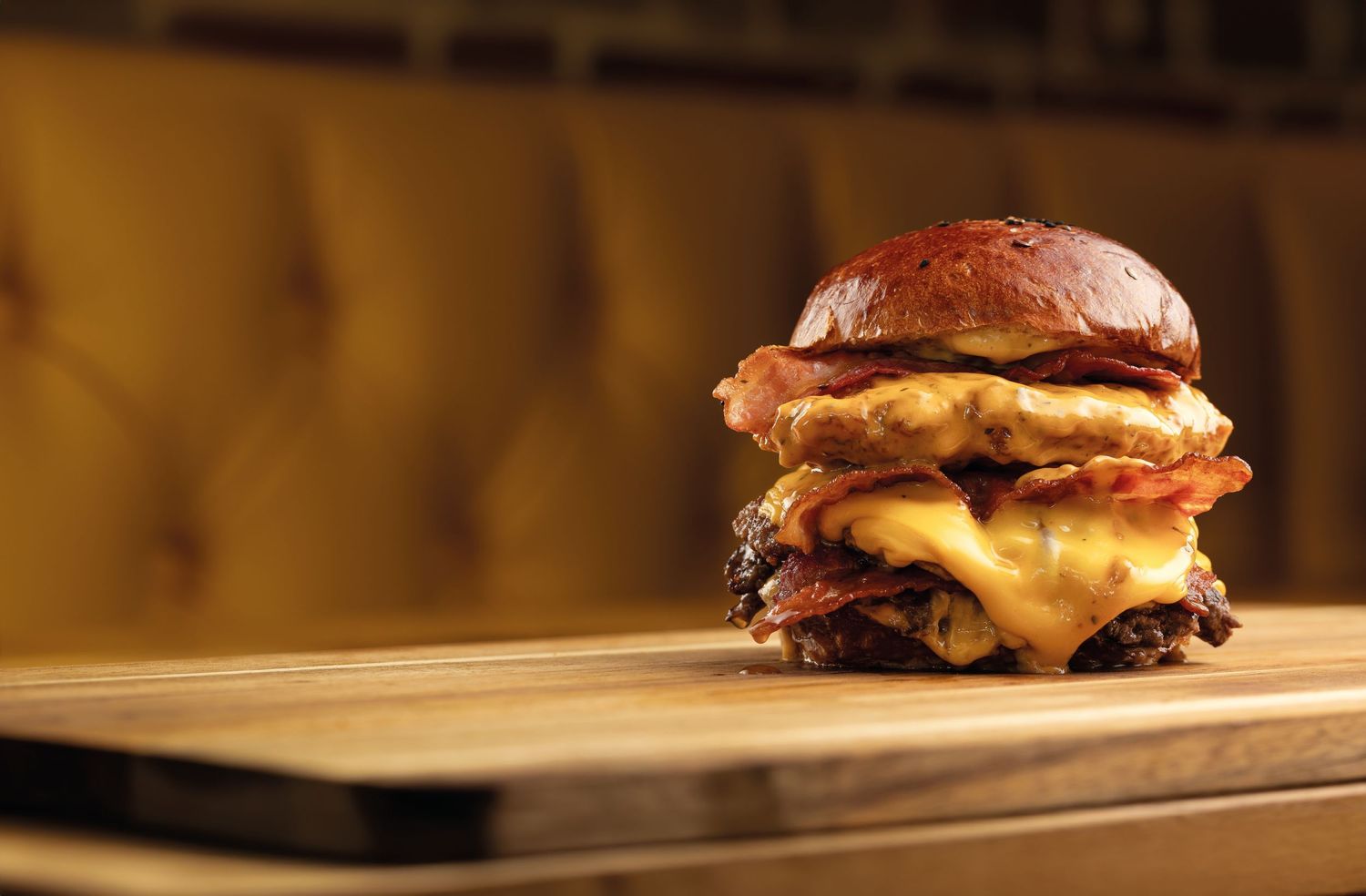
Burgers need careful construction to look their best on camera
Take a burger, for example. A burger takes considerably longer to photograph than a plate of Italian pasta. Pasta generally looks pretty good most of the time - it’s quite easy to plate, quite easy to garnish, and you can move through those shots at a decent pace. A burger, on the other hand, needs to be constructed in a way that shows what’s inside it, that it looks full and stacked properly, whether the bun looks good, if there’s anything dripping out of it that we want to capture. It takes more work. So a burger restaurant could approach me with fewer items on their menu than an Italian place, but the shoot could still take longer. That’s the kind of nuance that people don’t always think about.
People also tend to forget about drinks. Someone will send me their food menu and then halfway through the conversation mention that they’ve also got a range of milkshakes or smoothies or cocktails they want captured. That’s absolutely fine, but it does change the scope of things, and I’d rather know about it upfront so I can quote accurately.
Half Day vs Full Day
My two most common shoot lengths are half day and full day, and the difference between them isn’t just about the number of hours.
A half day shoot tends to focus on one main goal. For example, it could be a lifestyle shoot where we get certain people in and they’re interacting on camera in a way that’s relevant to the business, and we focus primarily on that. Maybe we mix in a bit of headshot work or some additional people photography alongside it. But a half day doesn’t always leave enough room to then pile on lots of interiors or loads of product shots on top.
A full day shoot opens things up quite a bit. You can cover a wider range of styles and scenes, which is where the real value comes in for a lot of businesses.
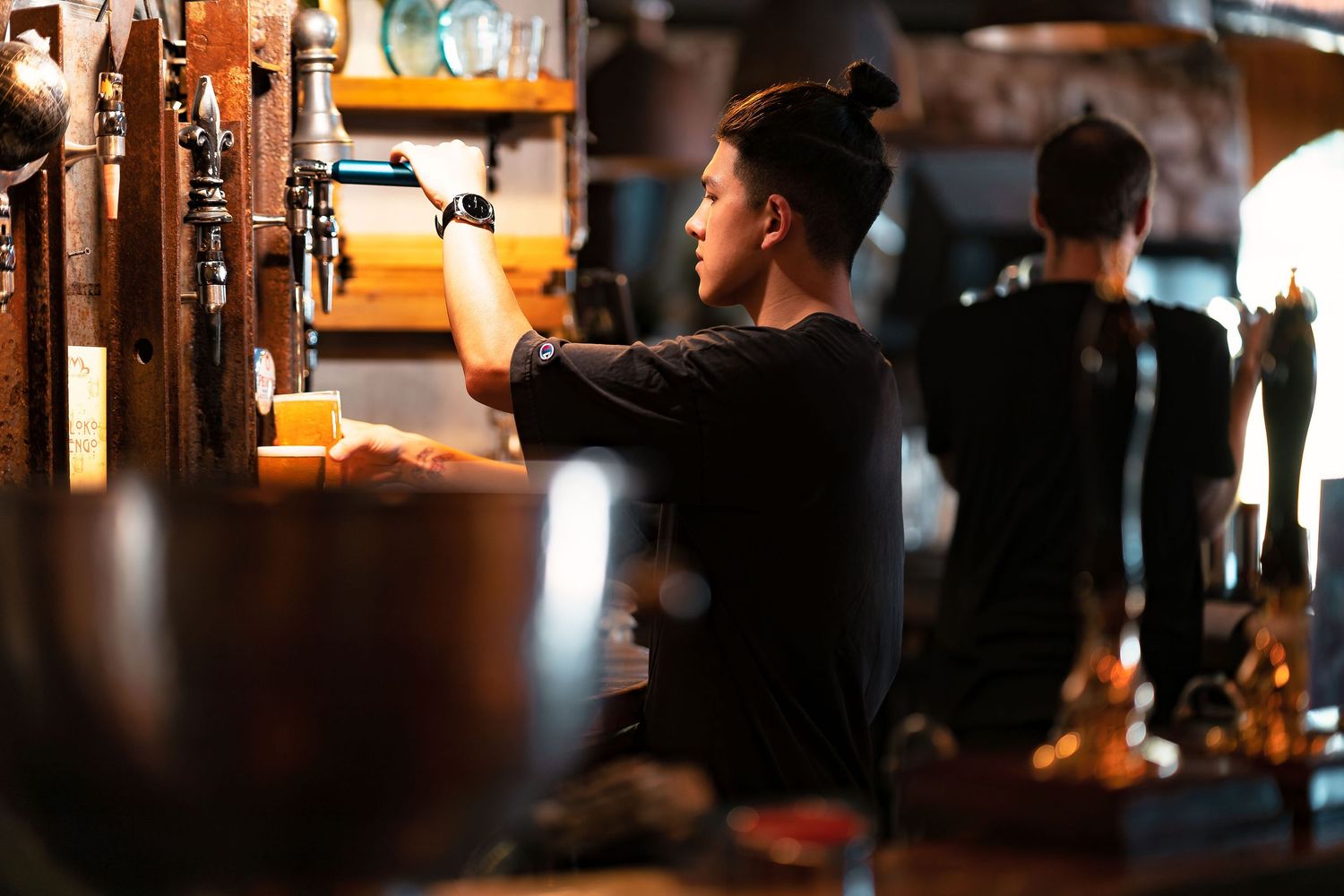
A great recent example of this was a shoot I did for the Mortimer Arms in Romsey. We started with a food shoot covering their full menu (breakfast, mains, and desserts), then moved into more of a lifestyle section - capturing bar staff pouring drinks, staff sat at a table eating some of the dishes that had already come out. After that, they also needed shots of their hotel rooms upstairs, so I photographed those as well. Three completely different styles of photography in one day, and that’s exactly the kind of thing I’d always say is a full day shoot.
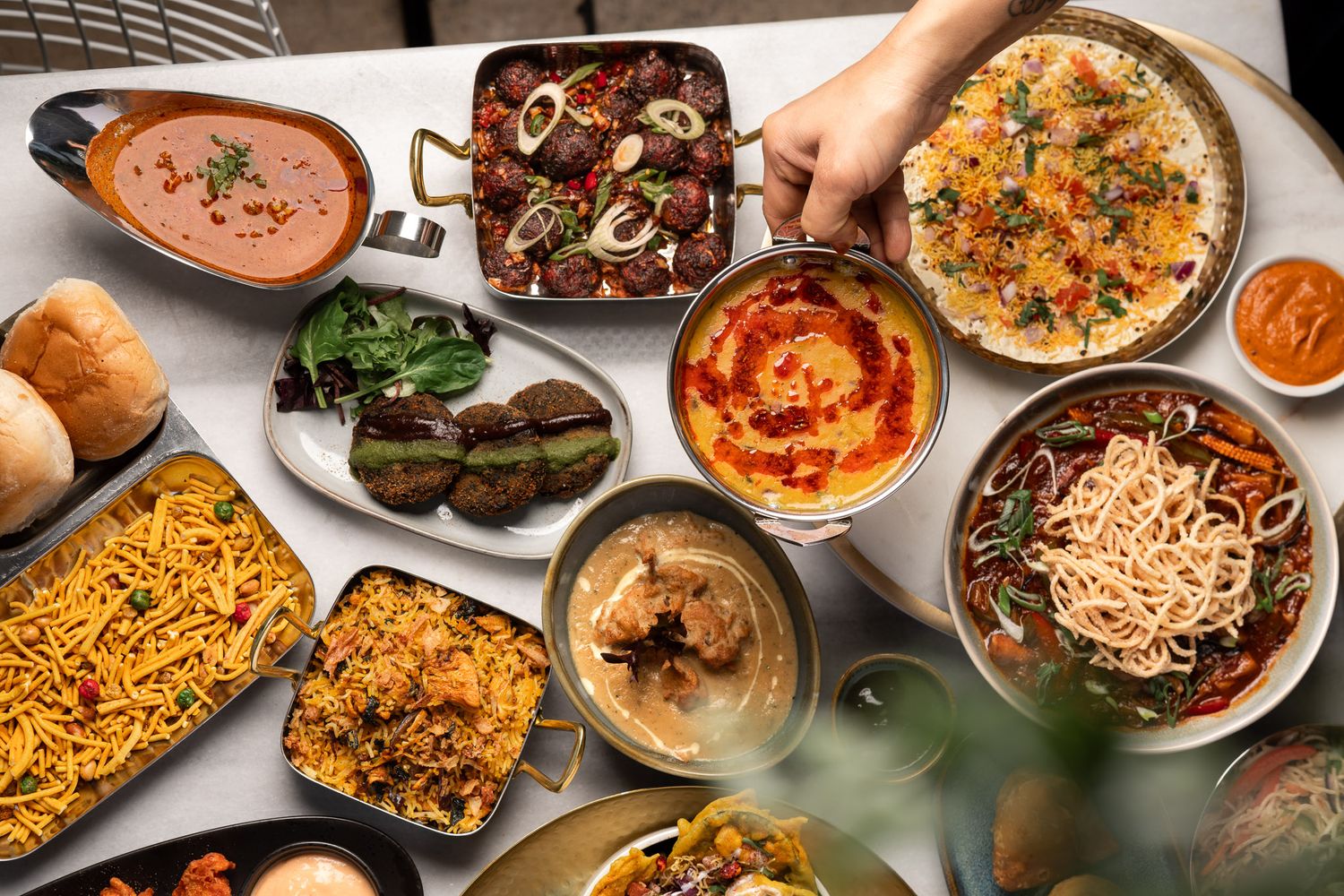
The reason it takes a full day isn’t necessarily because each individual style takes that long. It’s the changing between them. When a scene is set up and we’re just switching plates in and out for a similar style of shot, that moves pretty quickly. It’s when we need to break everything down, move to a new location within the venue, set up lighting differently, test a few angles - that’s where the time goes.
The Cocktail Problem
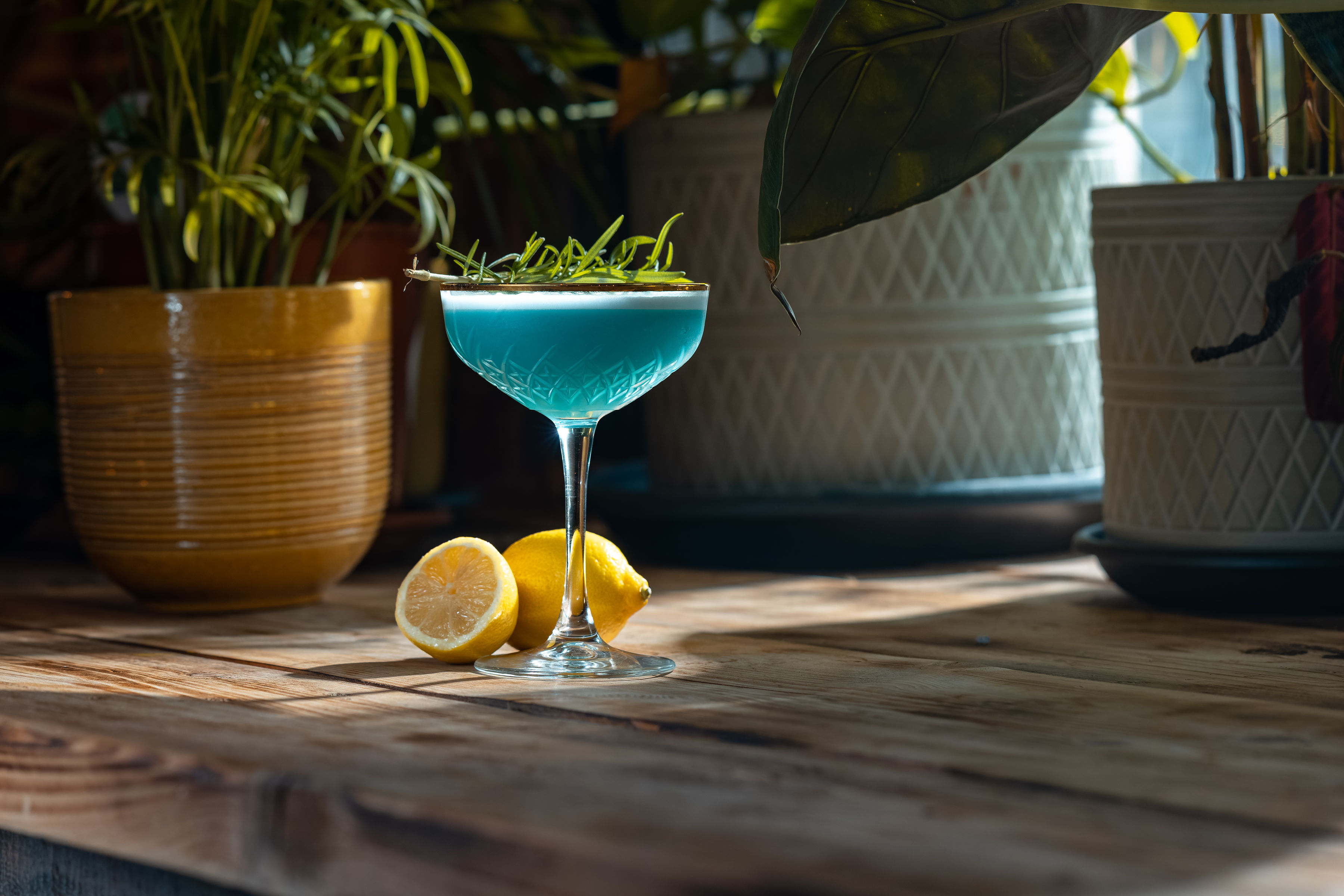
Cocktails are probably my favourite example of this. Someone might want their cocktail menu photographed, but they want each cocktail to have a different look and feel. And that’s brilliant from a creative standpoint, but it means finding different spots around the venue for each one.
If it’s an old fashioned, we probably want something earthy, warm, mature in the background. If it’s a porn star martini, maybe we want something brighter, more vibrant, a bit more playful. Each of those setups involves repositioning lighting, testing options, finding the right surface and backdrop. A full day shoot of cocktails done this way might only end up with 10 to 12 cocktails photographed, and people are sometimes surprised by that number. But when you see the final images and each one has its own identity, it makes sense.
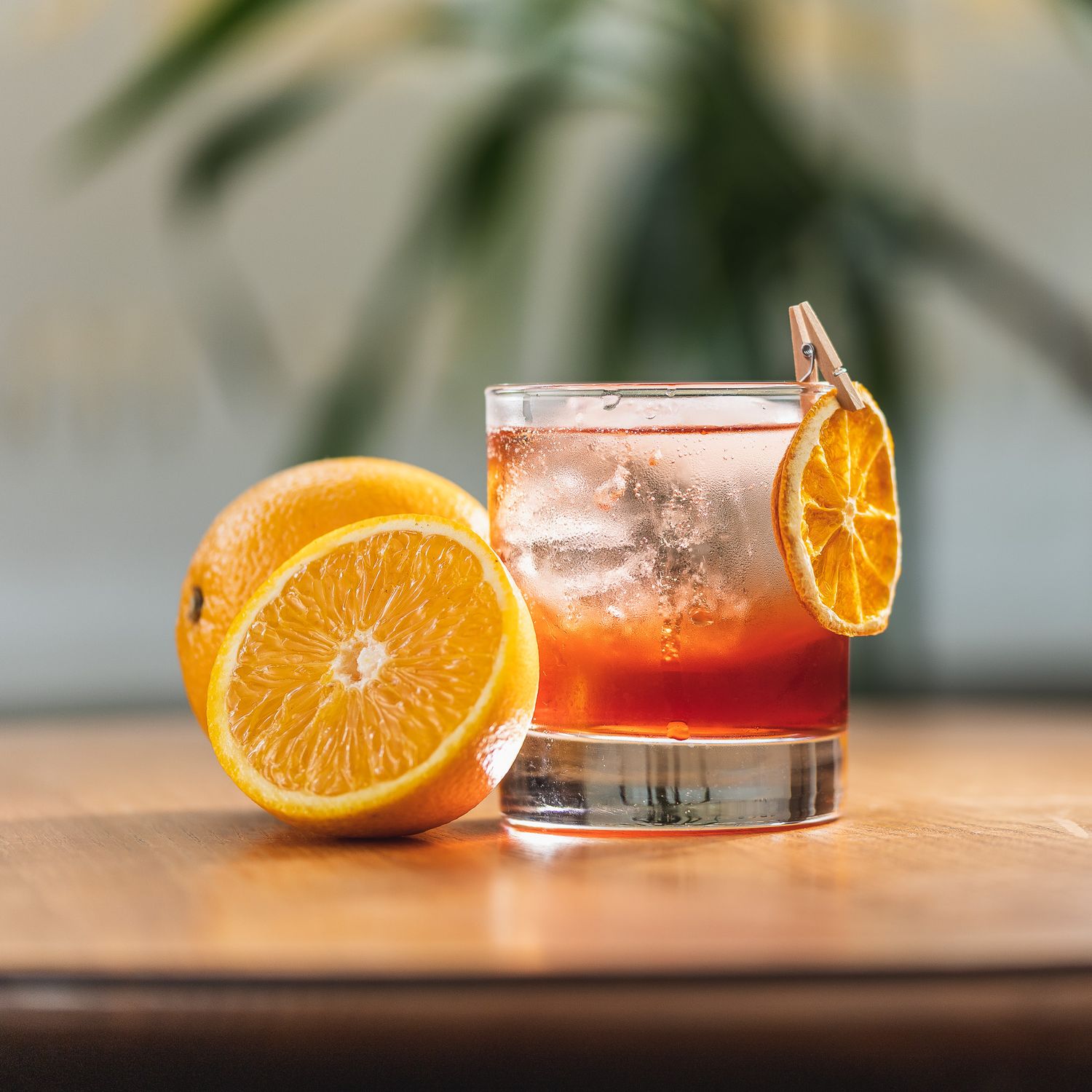
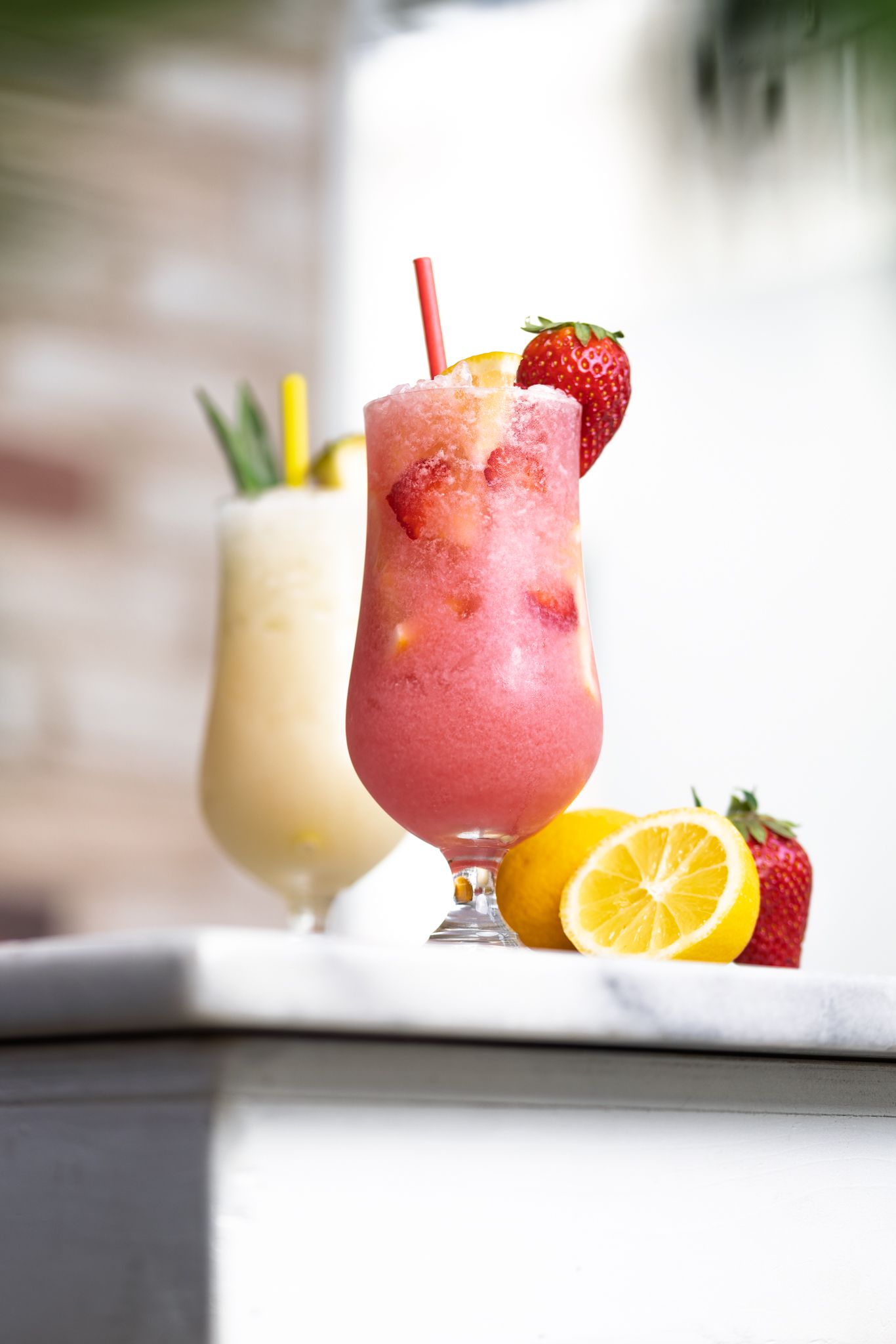
This is exactly why I can’t just put “full menu package” on my website with a flat price. One person’s full menu is vastly different to another person’s full menu, and it’s not even about quantity - it’s about the type of items involved and how much variety there is in the styling.
Portraits and Headshots
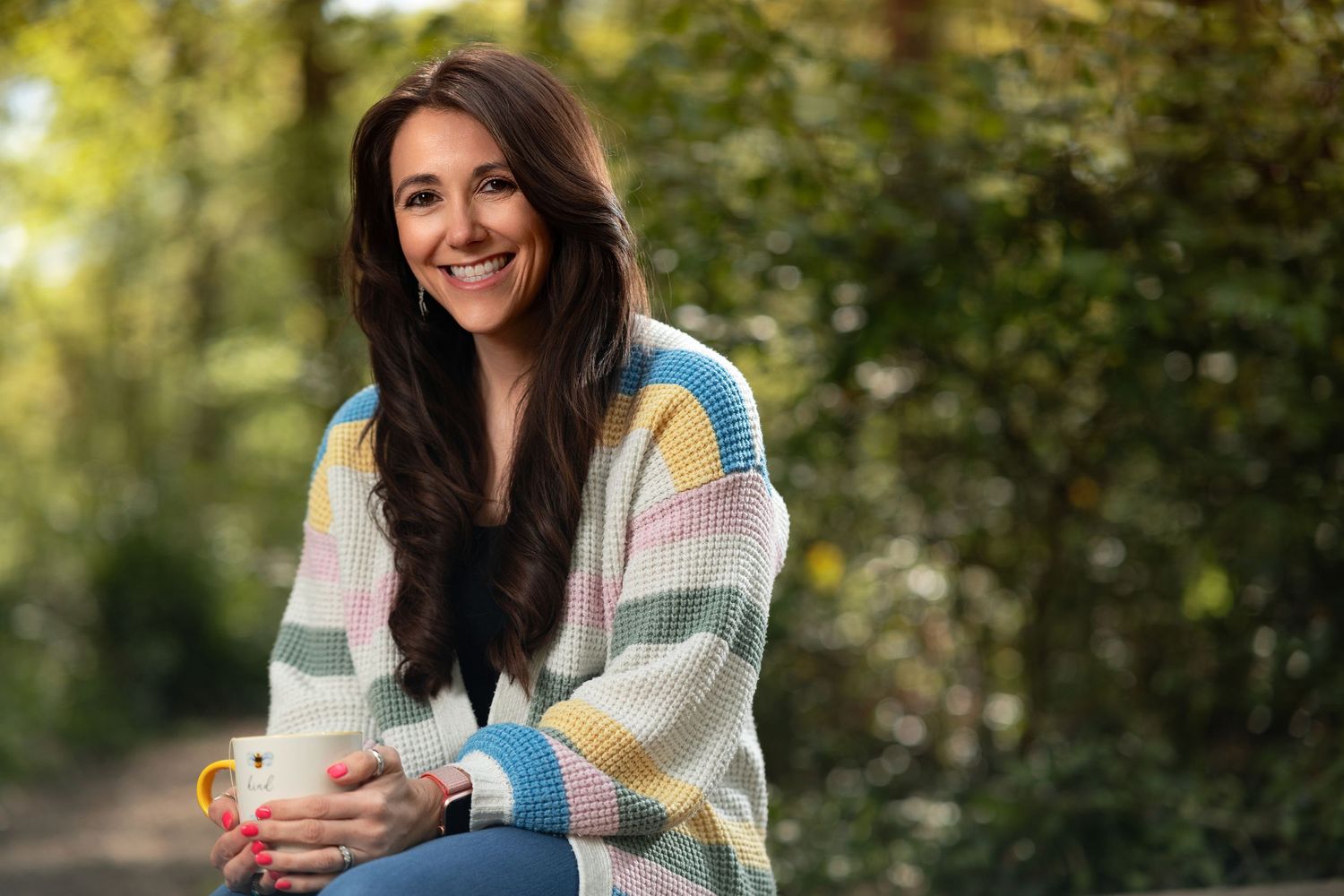
Portrait sessions benefit from taking time to find the right light and location
The same logic applies to portrait work. If I’m doing a portrait shoot for one person, we’re probably moving around different locations, trying various poses, experimenting with angles and light. The weather can change if we’re outdoors, and sometimes the best shots come from just taking our time and letting things happen naturally. That takes longer.
Compare that to a corporate headshot shoot where I’m using the same setup and background and just rotating people in and out. Completely different pace, completely different quote.
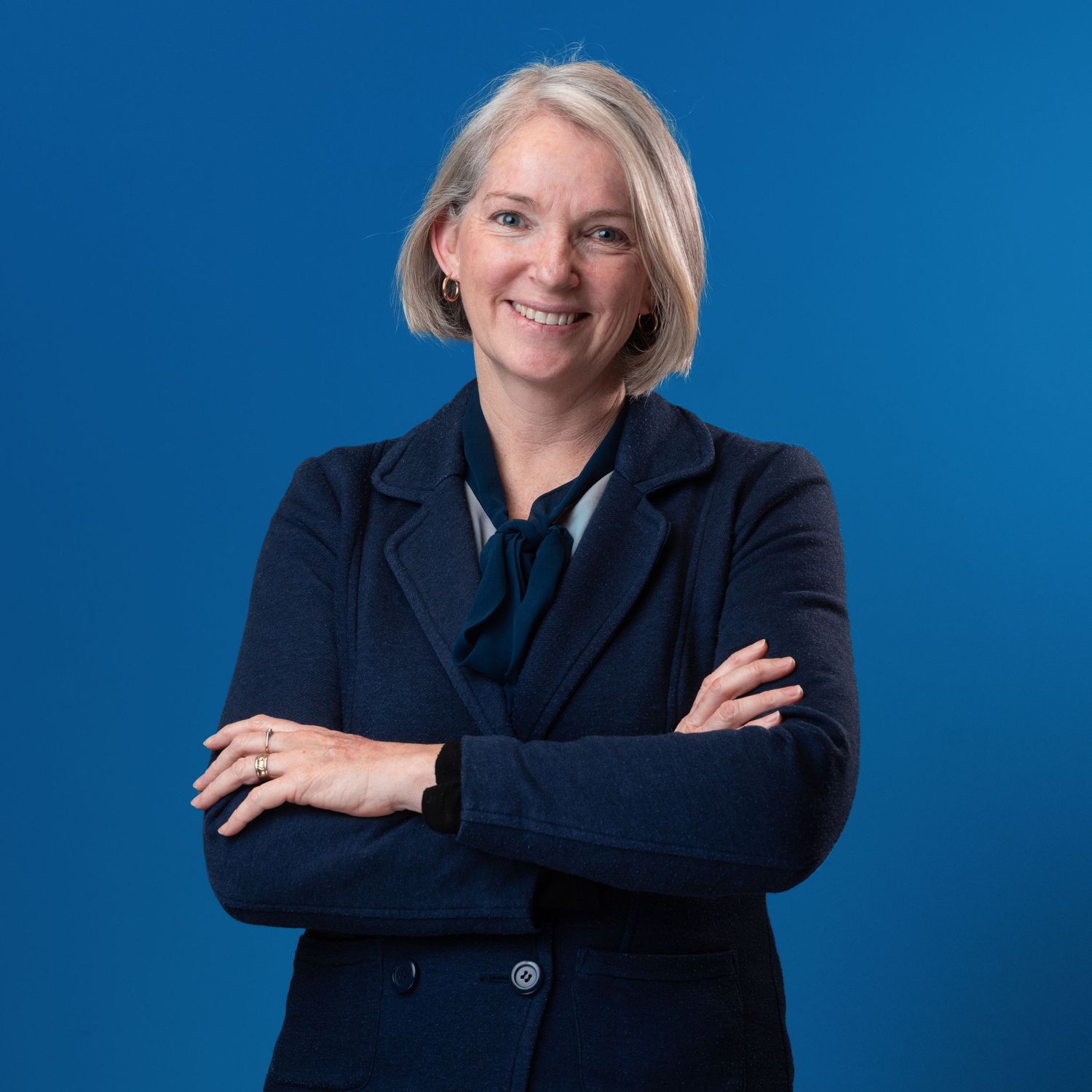
Corporate headshots follow a consistent setup, making them much faster per person
A portrait session for one person might take an hour or two depending on how many looks and locations we want. But on a corporate headshot shoot, I might get through 15 to 20 people in the same timeframe because the lighting, backdrop, and framing are all locked in. The only variable is the person stepping in front of the camera.
That’s a huge difference in pace, and it’s why the pricing reflects the type of work, not just the time on location.
Weddings (The Most Nuanced of All)
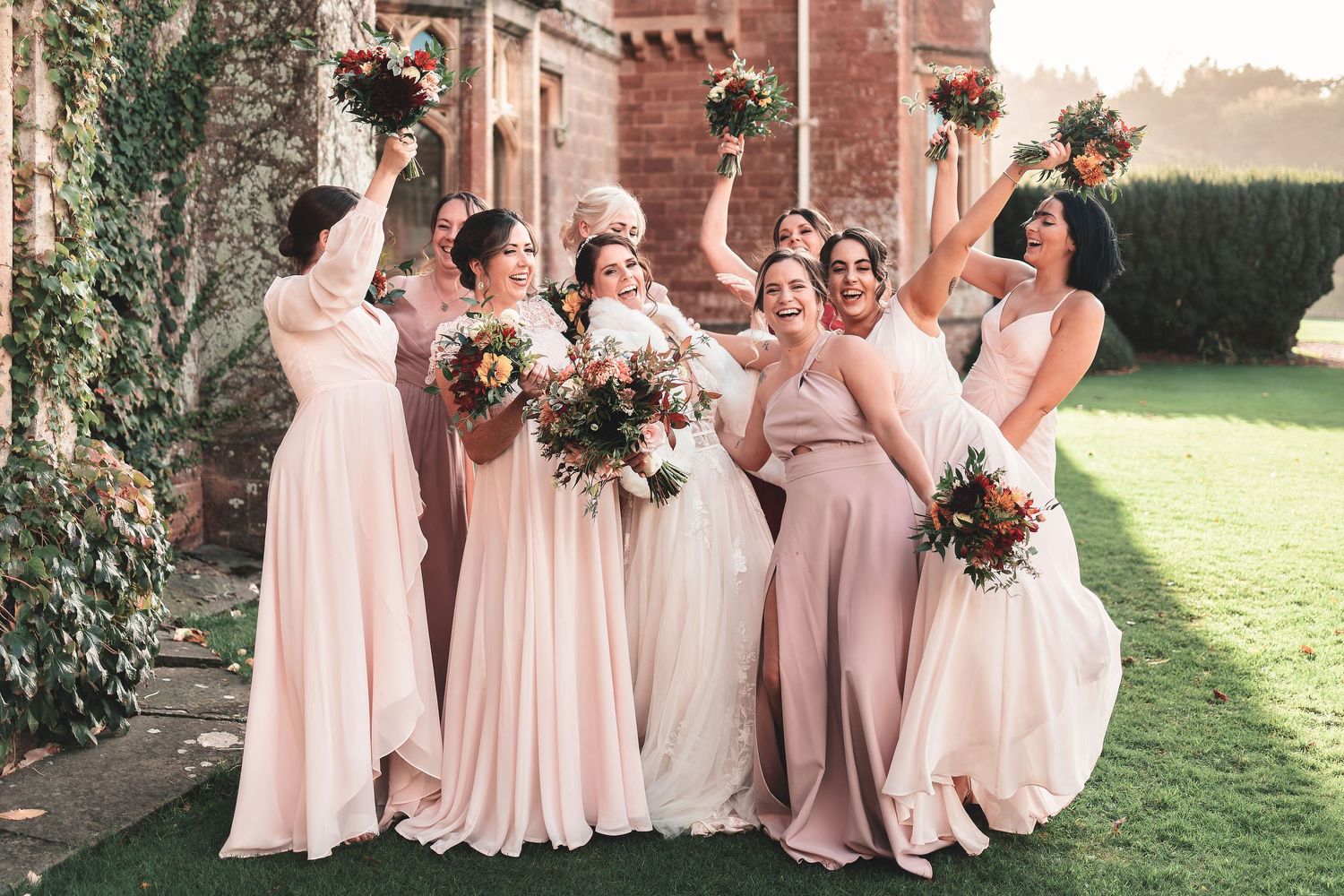
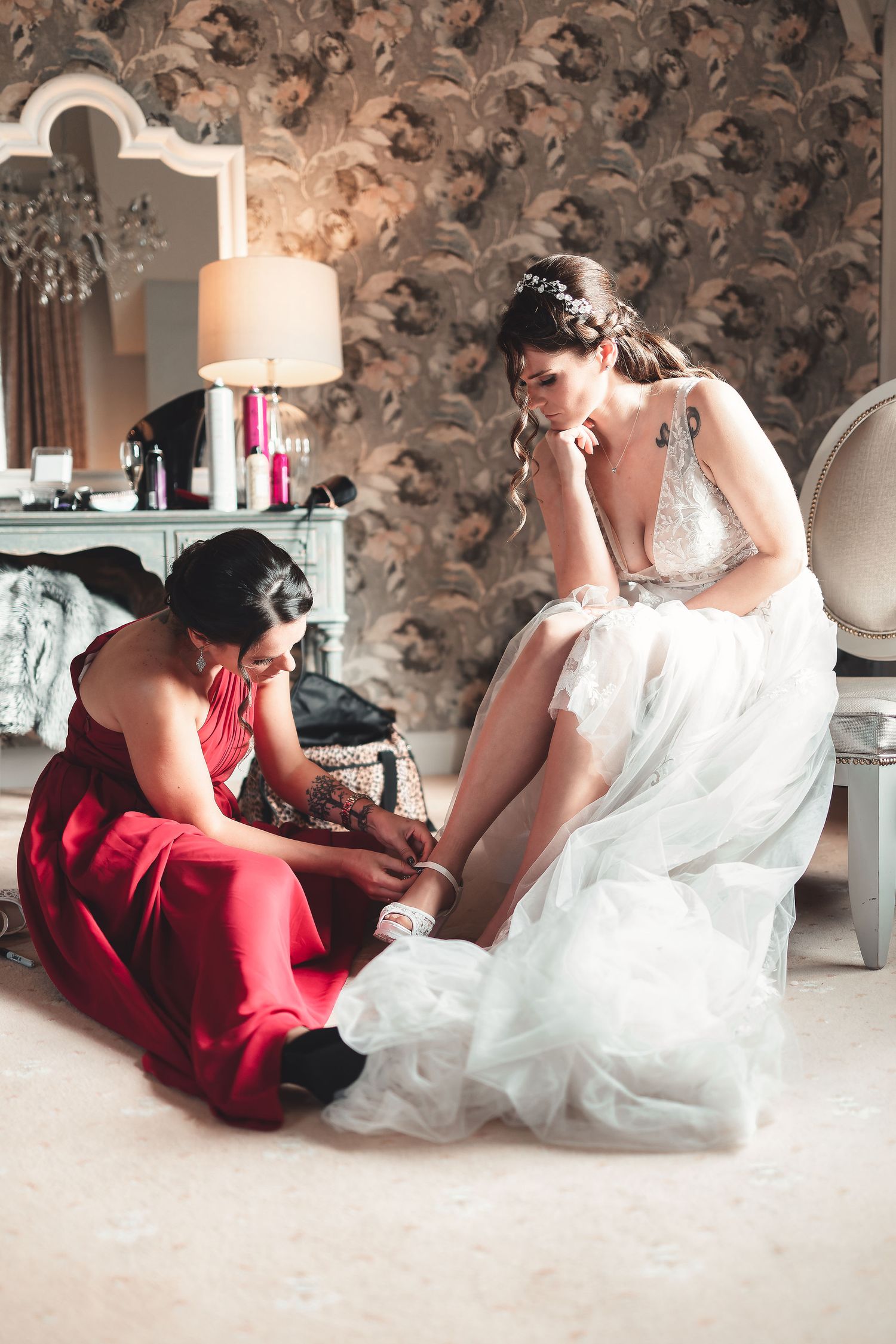
I get a lot of wedding enquiries, and they’re probably the best example of why “how much do you charge?” without any context is almost impossible to answer. People will email me asking for a wedding price and give barely any detail beyond that.
Immediately I need to know things like what the scale of the wedding is, whether it’s a full day from getting ready through to a late evening reception or something shorter, whether they need me for the entire thing, where it’s located, and various other factors. These all change the price, sometimes quite significantly.
I don’t actually list a specific wedding price on my website for this exact reason - it’s the most variable of all the styles I shoot. Any wedding photographer will tell you that even with set packages, things shift. Sometimes they need to quote a bit more, sometimes they can take a bit off, depending on the logistics of the day and the lead-up to it.
Some people want a portrait session before the wedding day. Some want follow-up shots. Some want a physical photo album created afterwards. These are all things I can absolutely do, but it shows just how many variables there are.
What Actually Helps Me Quote You
If you’re ever unsure about how long a shoot might take or what it might cost, the best thing you can do is send me as much information as possible. Even if it’s just a brain dump into an email that doesn’t feel particularly well structured, that’s absolutely fine. I will get back to you with a decent plan, timeline, and quote.
Specifically, things that really help include sending me your menu if you’re a restaurant or bar, telling me how many rooms need photographing if you’re a hotel, explaining the use case if it’s a portrait shoot, and even sending a photo of yourself so I can get an idea of your style, skin tone (for matching colours and environments), and general look to maybe suggest some clothing options too.
This is far better than contacting me with a one-liner and then me having to reply asking for all of this anyway. It just adds an extra back-and-forth that slows everything down for both of us.
The Quote Calculator
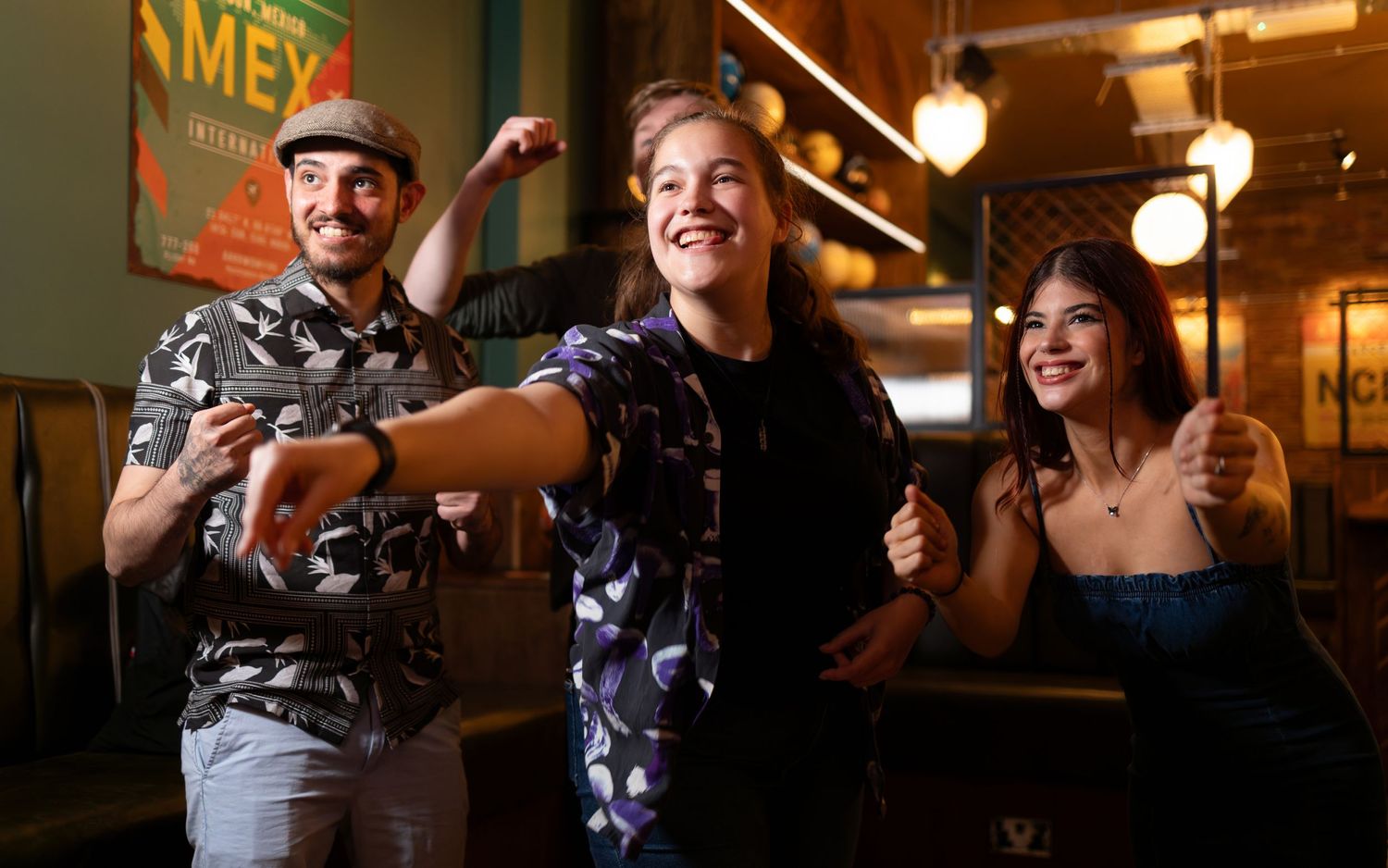
Every shoot is different - the quote calculator gives you a starting point
The prices on my website are there to guide you towards the right ballpark. You might already have a sense of how long your shoot will take - if it’s an event that lasts three or four hours, you probably already know you’re looking at a half day booking. But if you’re not sure, just get in touch.
I also build in some flexibility for food shoots specifically. Sometimes I’ll suggest we aim for a half day, with each hour after that charged at an additional rate if we overrun. Other times I’ll be upfront and say this is going to be a full day - it’s a big job, and there’s no point pretending otherwise.
I want the process of booking a shoot to feel straightforward. I want you to know what you’re paying, why you’re paying it, and feel confident that when I turn up on the day, I know exactly what we’re shooting and can get on with the job in a way that takes the strain off your shoulders. The transparency is the whole point - I’d rather have a proper conversation upfront and get it right than have either of us surprised halfway through.
If you want a rough idea of pricing before we talk, try the quote calculator - it takes about 30 seconds and gives you a ballpark based on shoot length and location. Or if you’d rather just have a conversation, get in touch and we’ll work it out together.