If you run a restaurant, bar, or cafe and you’ve been thinking about getting professional photos taken, you probably have a few questions about what the process actually looks like. Most people haven’t been through a commercial food shoot before, and the whole thing can feel like a bit of a mystery.
I’ve photographed menus, drinks lists, and brand campaigns for restaurants and hospitality businesses for years now, and I’ve found that the shoots which go smoothest are the ones where the client knows what to expect beforehand. So here’s a straightforward breakdown of what actually happens, from initial conversation to final delivery.
Before the Shoot
Every shoot starts with a conversation. I’ll want to understand what you need the images for (menu boards, social media, a website refresh, printed menus) because that changes how I approach things. A set of images destined for Instagram stories needs a different crop ratio and composition style to something that’s going on a large printed banner outside your venue.
I’ll also ask to see your menu. This isn’t me being nosy about your pricing. It’s because the type of food you serve has a direct impact on how long the shoot takes. A plate of risotto is relatively quick to style and photograph. A stacked burger with all the fillings visible, sauce dripping just right, and a bun that hasn’t gone flat? That takes considerably longer. Knowing what’s on the menu lets me give you an accurate quote and a realistic timeline.
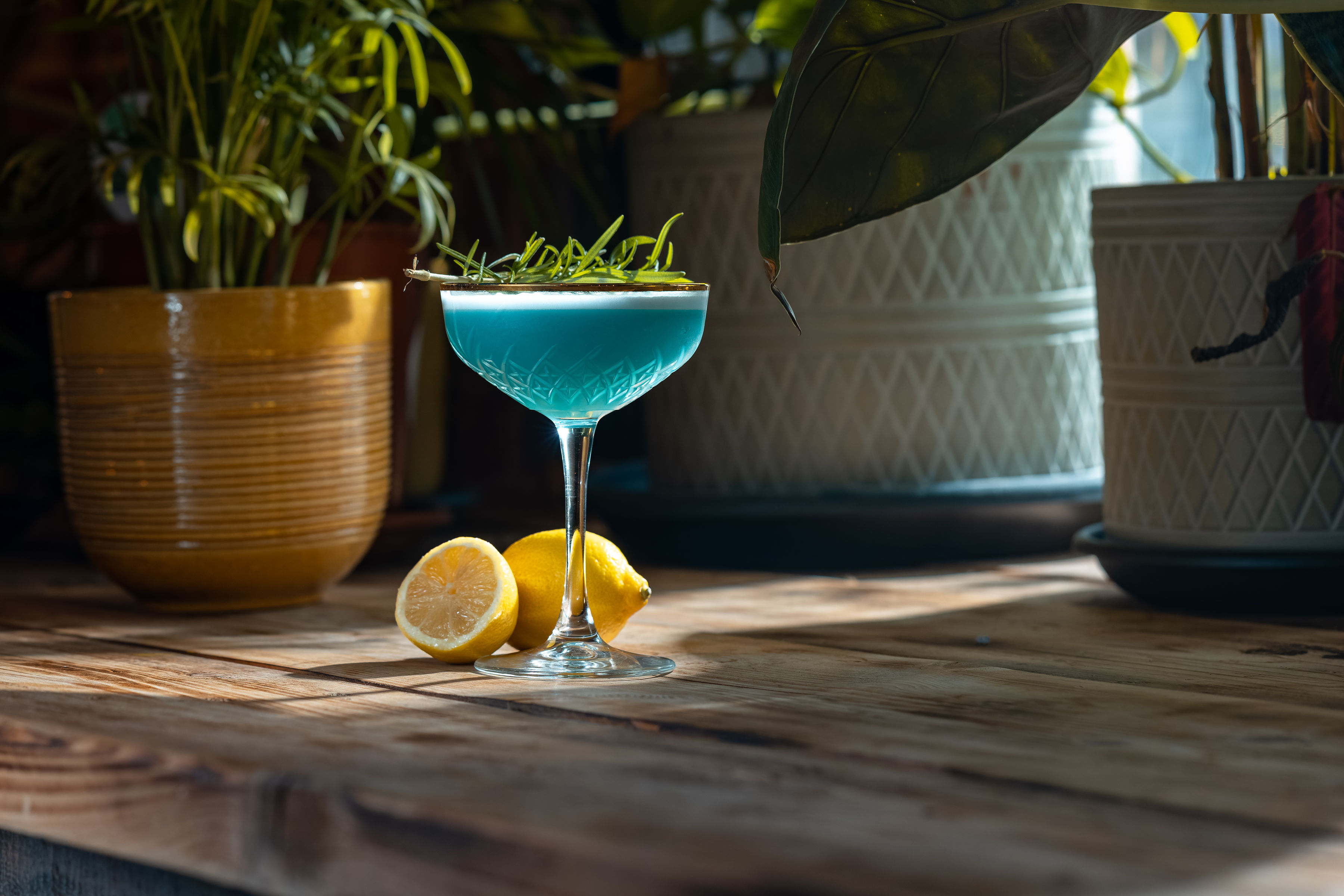
If you’ve got drinks to cover as well (cocktails, smoothies, pints), let me know upfront. People often mention these halfway through our conversation and it does change the scope. Cocktails in particular can take longer than you’d expect, especially if each one needs a different mood and setting to match its character.
What Happens on Location
I work on location almost exclusively. I’ll arrive with a full professional lighting setup, camera gear, and everything needed to create consistent, high-quality results. This isn’t a case of popping in and snapping away with a camera on a table - there’s a proper setup involved, and it does need a bit more space and time than you might initially expect. It’s worth knowing that upfront so we can plan around your layout.
One of the first things I’ll do is a walk around to find the best spots in your venue. I’m looking at table surfaces, backgrounds, where the natural light falls, and where I can set up the lighting rig without being in the way. Some places have a particular corner with beautiful light from a window. Others have a textured brick wall or a bar top that works brilliantly as a backdrop. Part of the job is spotting these opportunities and making the most of what your space already offers.
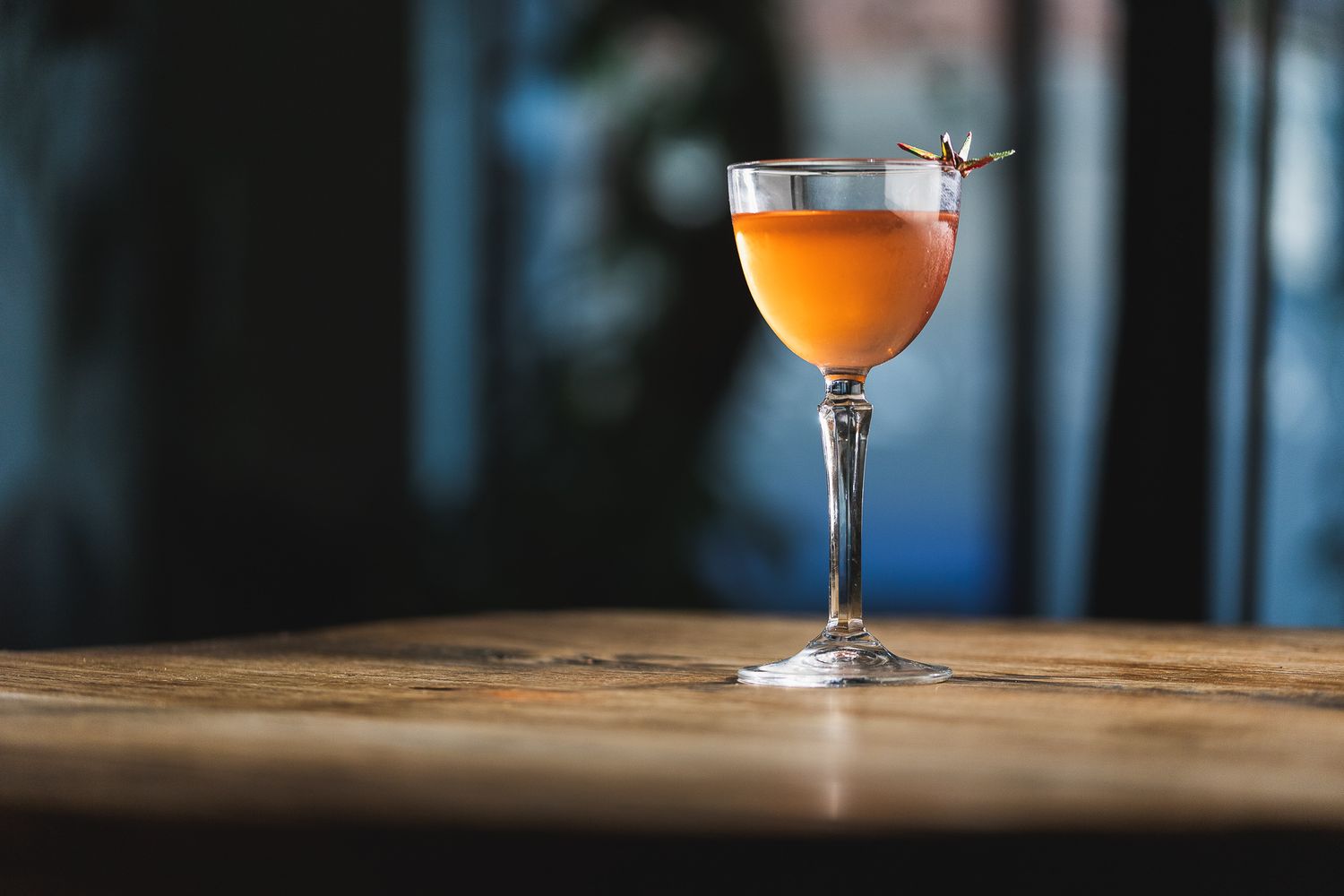
I prefer working with what’s already in the venue rather than bringing in a load of props and surfaces. Your tables, your crockery, your glassware. The images should look like they belong in your restaurant, not in a studio. If your place has character (and most do), that’s what we should be showing. The lighting setup is what makes the difference between a phone snap and a professional result, and having consistent light means every dish looks its best regardless of the time of day or what the weather’s doing outside.
What You Should Prepare
This is where a little preparation on your end makes a huge difference. The number one thing that slows a food shoot down is waiting for dishes to be plated. If your kitchen can have ingredients prepped and ready to go before I arrive, we’ll move through the shot list much faster.
A few practical tips that genuinely help on the day:
Plate dishes as you would for a customer, but with slightly more care on garnish placement. Food that looks good to a diner generally looks good on camera too. The main difference is that on camera, every detail is magnified, so a wonky garnish or a smudge on the rim of the plate becomes much more noticeable.

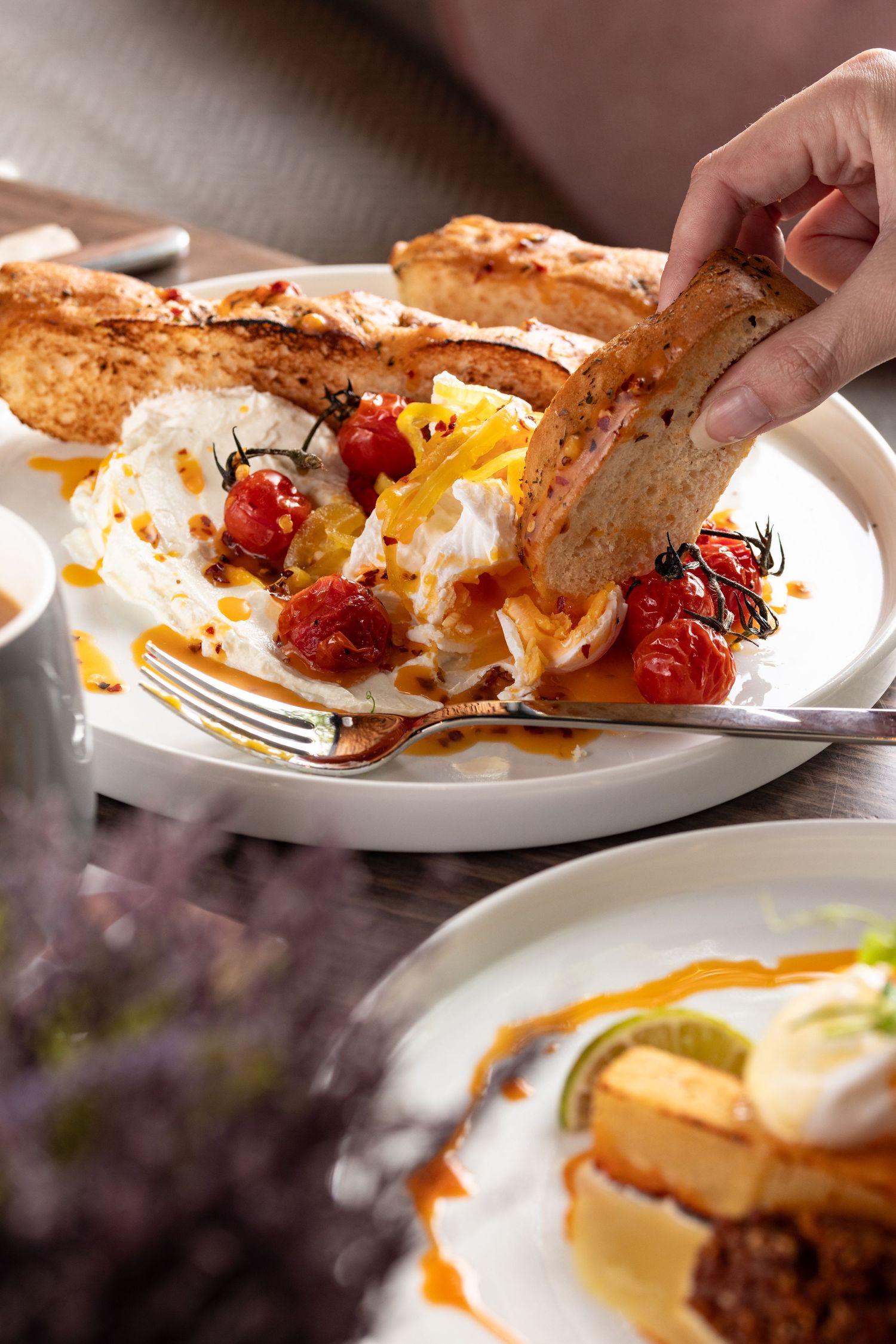
Have duplicates of key ingredients available. Sometimes a burger bun collapses after thirty seconds under the lights, or a garnish wilts. Having a backup ready means we don’t lose time waiting for the kitchen to prep another one from scratch.
Clean as you go. Crumbs on the table, fingerprints on glassware, sauce splashes on the plate rim. These are things I’ll spot through the viewfinder, but it saves time if the kitchen is already thinking about presentation.
Think about timing with hot food. There’s a window after plating where everything looks its best, and it’s shorter than you’d think. The surface of a soup starts to lose its freshness, the oil on grilled meat dries up, sauces settle. These things can be fixed with a quick re-plate, but it’s always better to capture the dish in the moment. I’ll coordinate with the kitchen so we’re ready to shoot the second a plate comes out, and we’ll work through hot dishes efficiently so nothing sits around getting cold.
On the Day
Most restaurant shoots happen either before service or during a quieter period. This is partly for practical reasons (it’s difficult to photograph food in a packed dining room) but also because the kitchen staff aren’t juggling orders at the same time.
We’ll typically work through a shot list, starting with dishes that need the most attention and working down. Once a scene is set up and the lighting is dialled in, swapping dishes in and out for a similar style of shot moves quite quickly. It’s the transitions between different setups that take the most time. If we go from flat-lay food shots to a lifestyle scene with staff at a table, that involves repositioning lights, changing the angle, and testing a few options.
I’ll show you images on the back of the camera as we go, and I’m always happy to reshoot something if you feel the plating could be better or you want to try a different angle. This is a collaborative process. You know your food better than anyone, and I know how to make it look its best on camera. Between us, we’ll get there.
What You Get Afterwards
After the shoot, I take the images home and edit them properly. This isn’t just slapping a filter on. I’m adjusting colour accuracy so your food looks true to life, correcting any minor imperfections, and making sure each image is optimised for its intended use. A photo going on your website needs different treatment to one going on a menu card or a social media post.
Turnaround is typically within a few working days, sometimes quicker depending on the size of the shoot. You’ll receive high-resolution files suitable for print, plus web-optimised versions ready to use online. I’ll also provide different crop ratios if needed, so you’ve got versions that work for landscape website banners, square Instagram posts, and vertical story formats.
Types of Food Shoots
Not every food shoot is the same. The most common types I work on are:
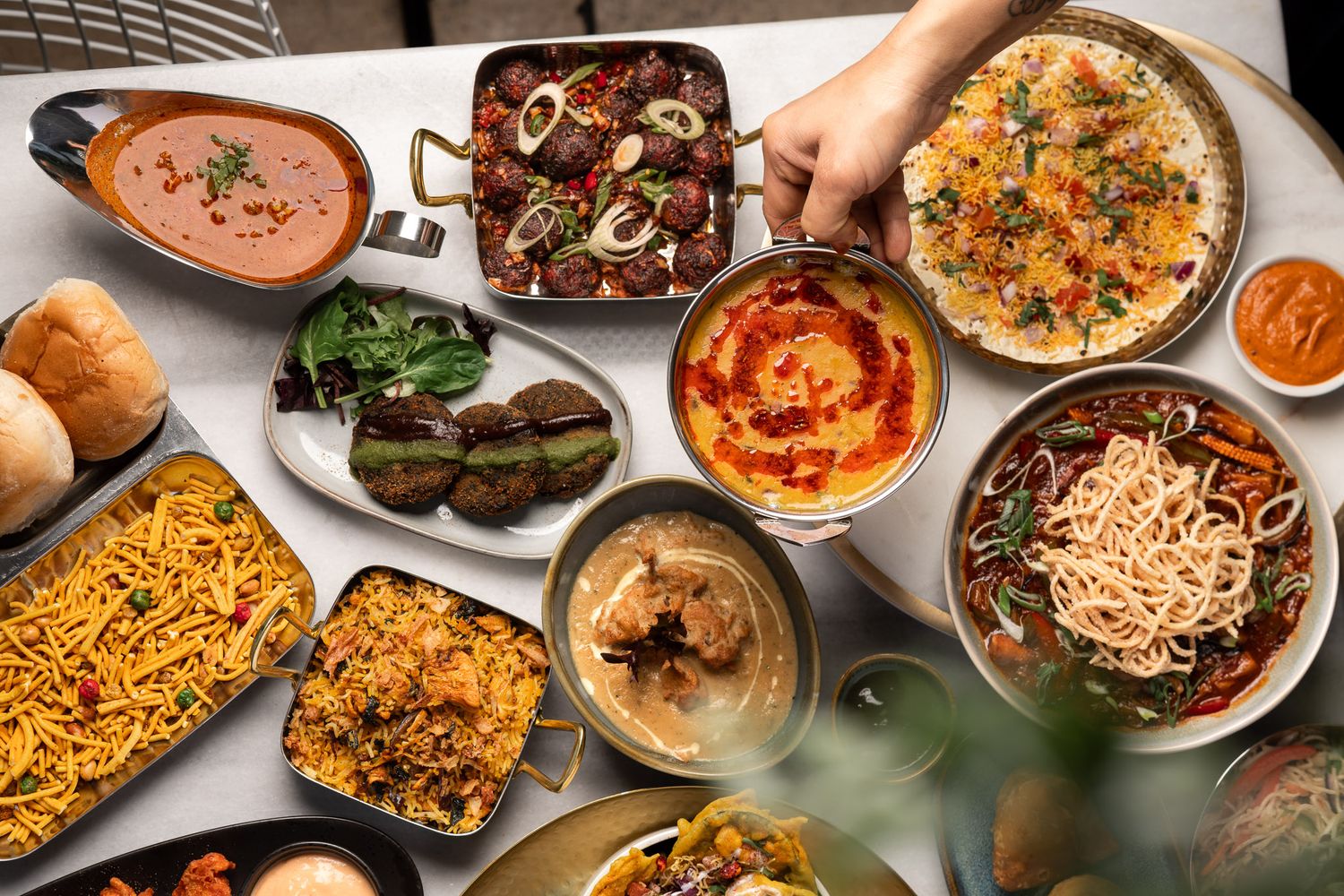
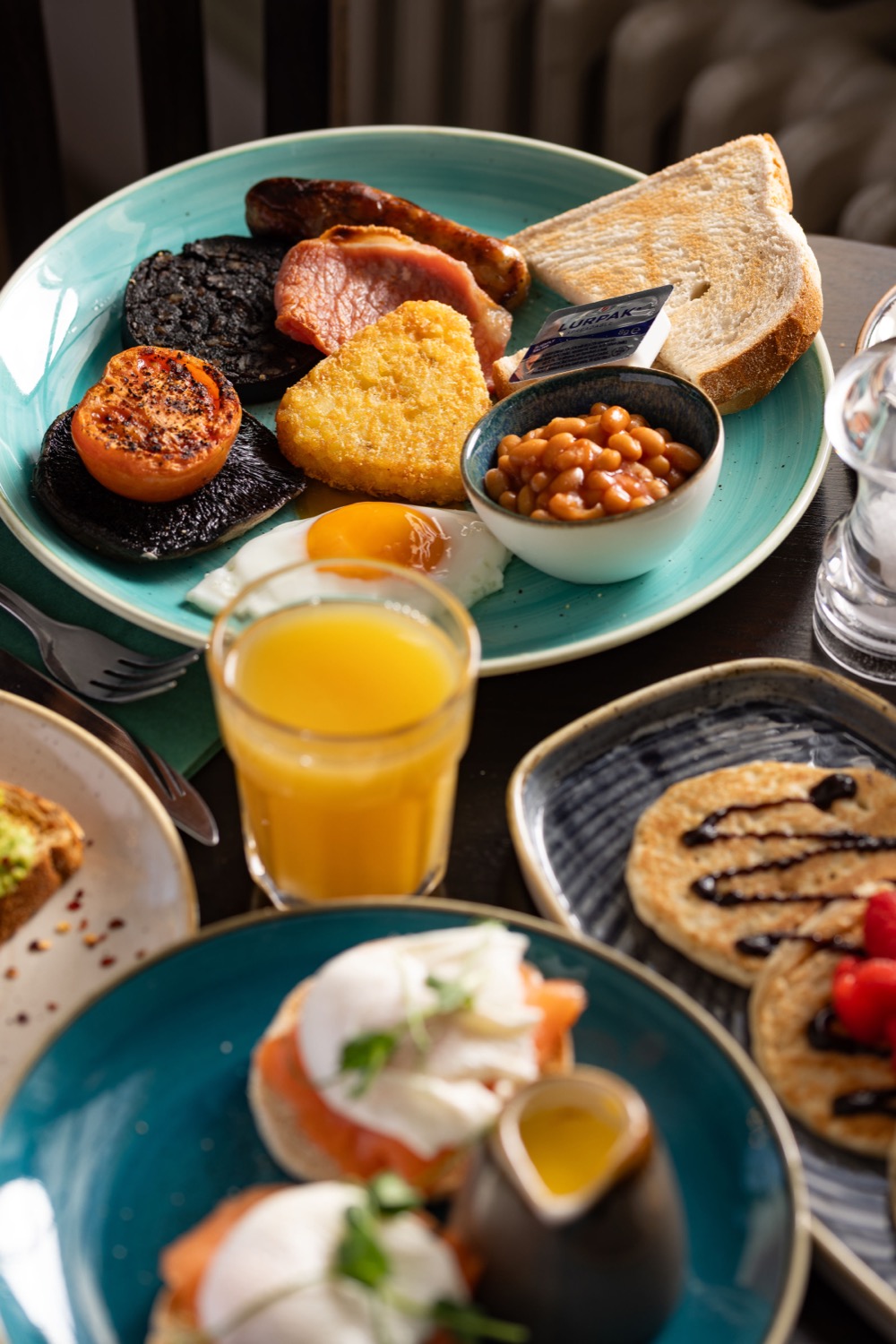
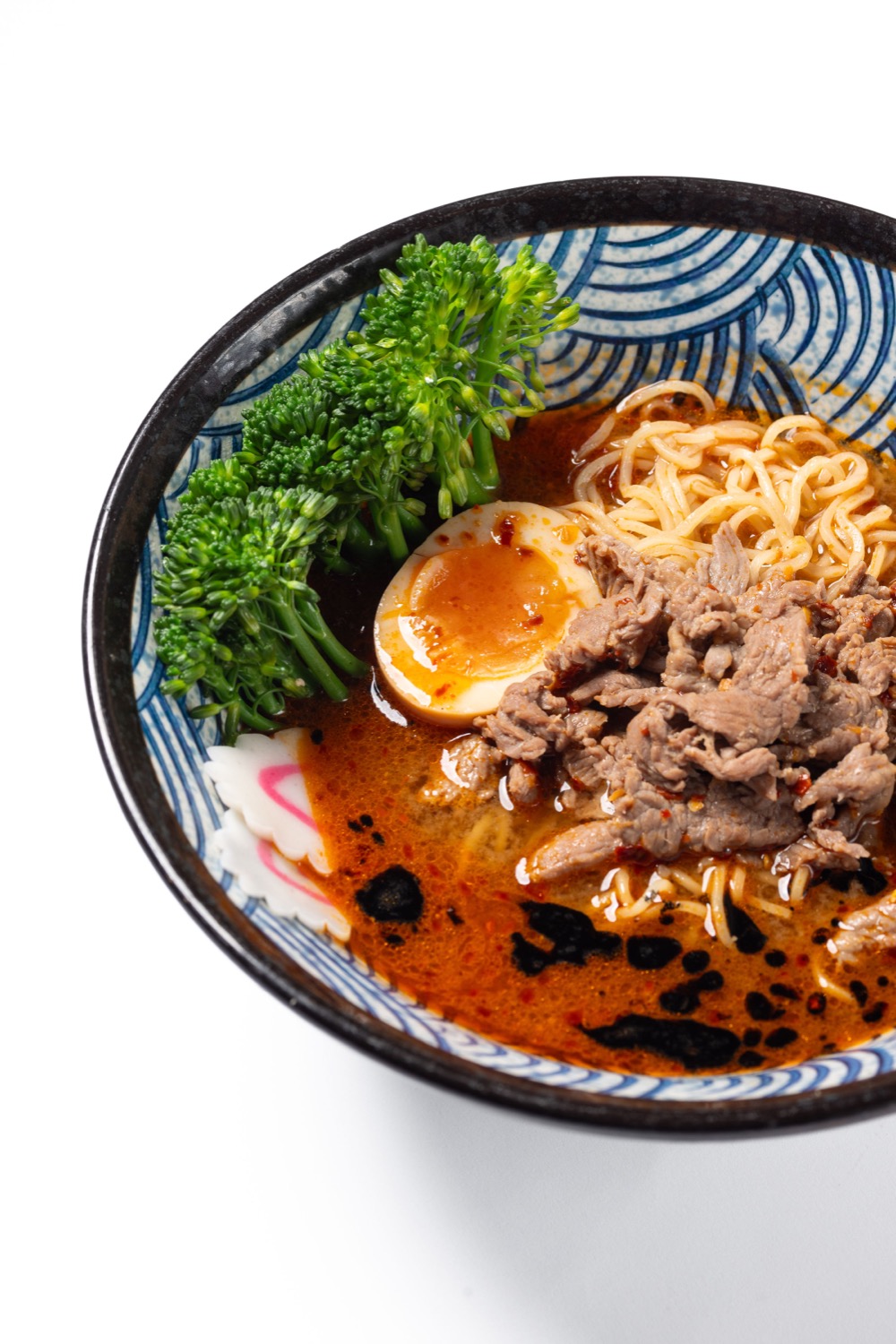
Menu shoots are the bread and butter (pun fully intended). These are focused, dish-by-dish coverage of your menu, designed to make each item look as appealing as possible. They tend to be quite structured and methodical.
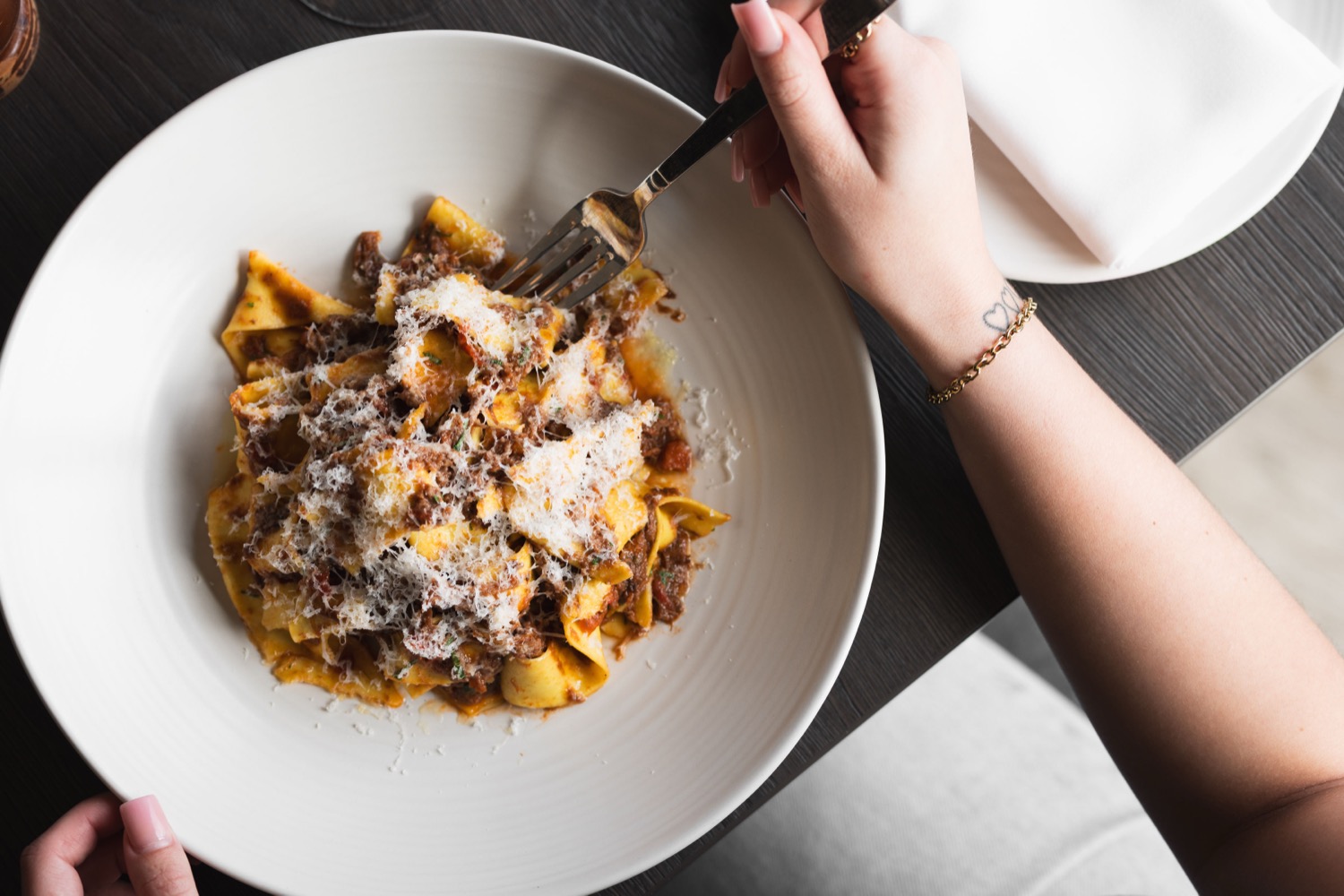
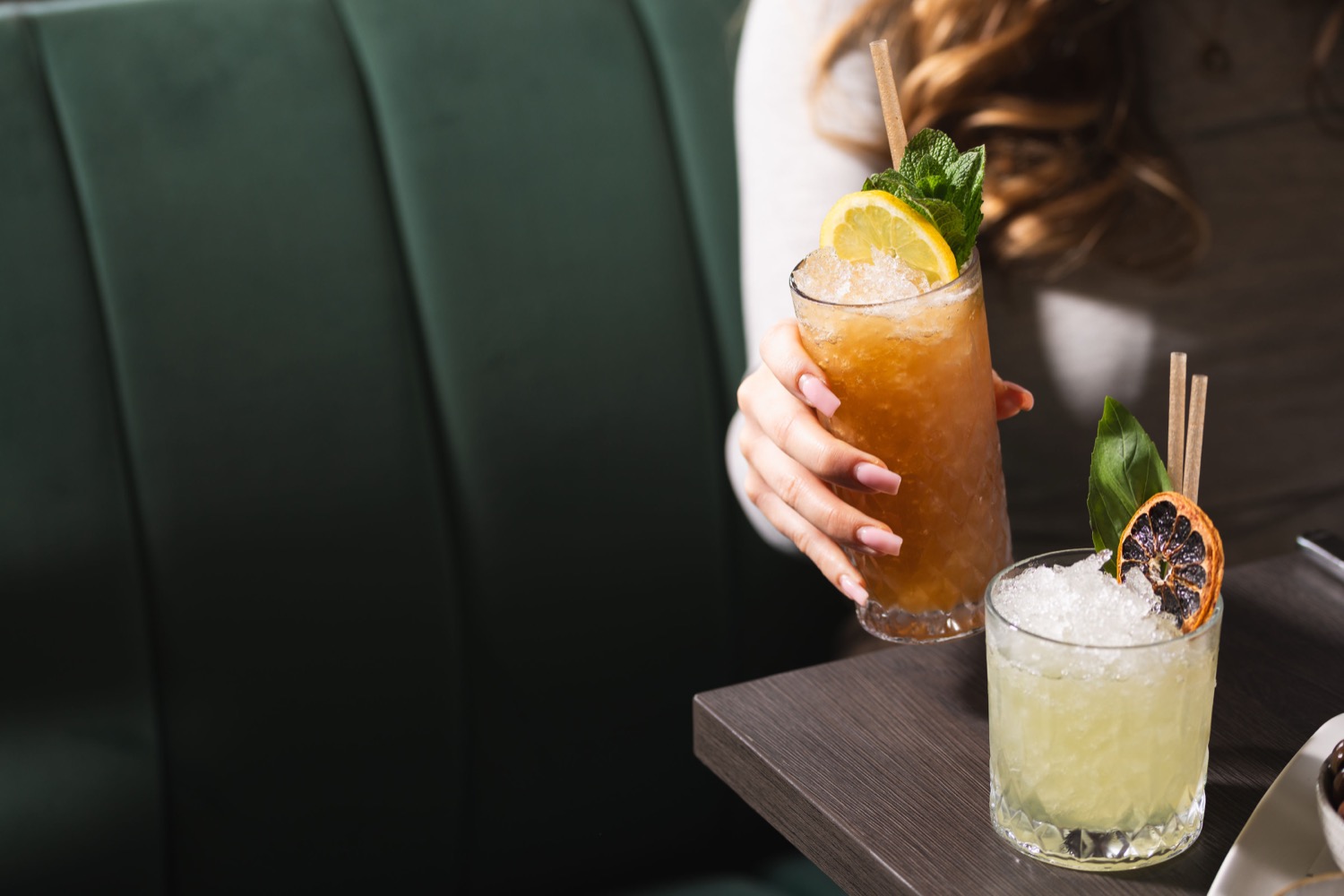
Social media content is more relaxed and often involves lifestyle elements. Rather than isolated dishes on a clean background, we might include hands reaching for food, drinks being poured, or the general atmosphere of your venue. This kind of content performs well because it feels authentic and inviting.
Brand campaigns are where things get more creative. If you’re launching a new menu, running a seasonal promotion, or refreshing your branding, these shoots tend to be more involved. I’ll work with you on a creative brief, think about colour palettes and styling that match your brand identity, and make sure the images tell a cohesive story.
Why It’s Worth It
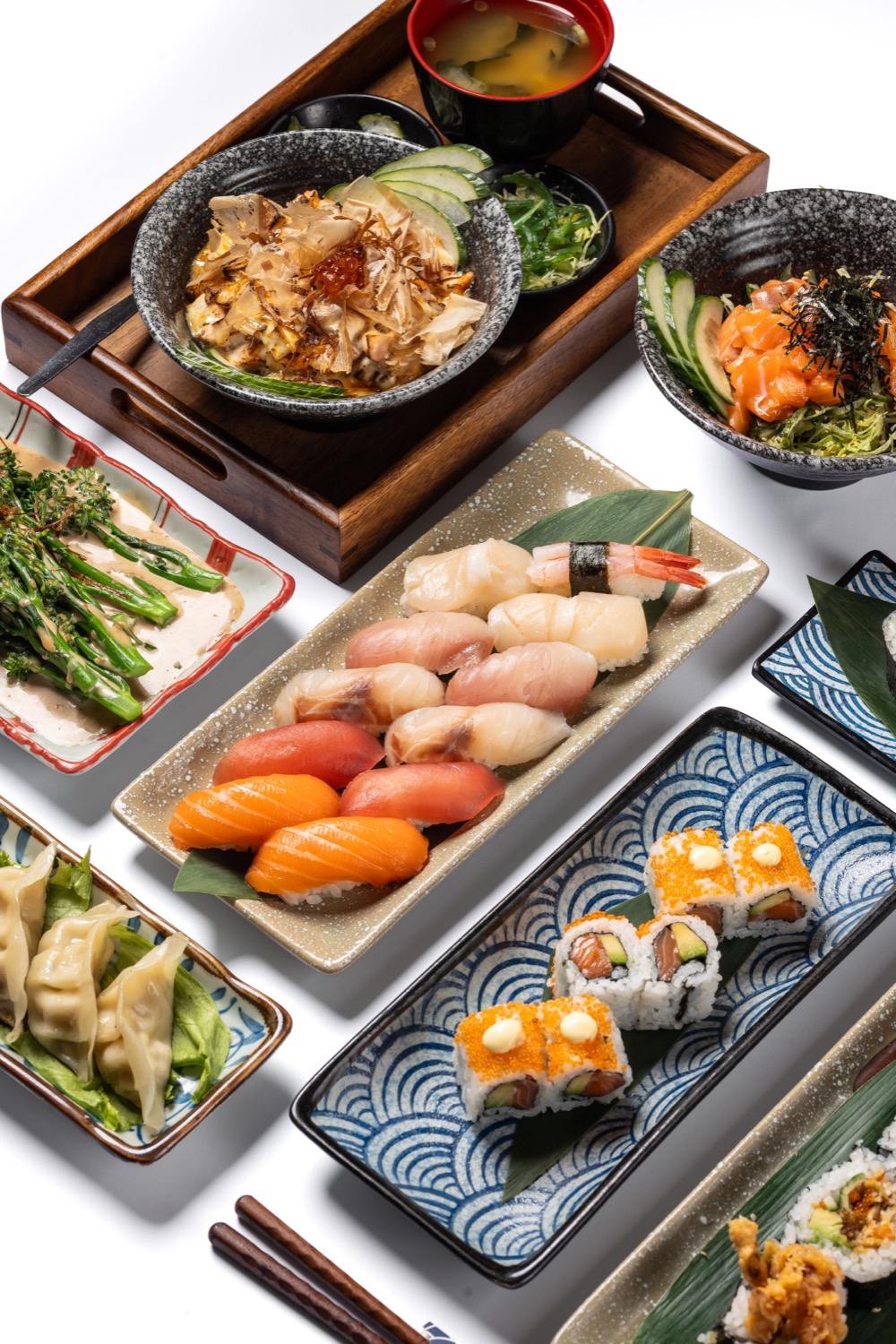
I’m biased, obviously, but I’ve seen firsthand what a difference professional food photography makes for restaurants. A venue with strong imagery on their website and social media attracts more attention, gets shared more often, and ultimately puts more people through the door. Your food might be incredible, but if the photos don’t do it justice, people scrolling through delivery apps or browsing Google won’t know that.
Professional food photography is an investment that keeps working for you. Those images get used on your website, your social media, printed menus, Google Business Profile, delivery platforms, press features. A single shoot can provide content that lasts months, sometimes years.
Let’s Talk
If you’re a restaurant, cafe, bar, or food brand and you’re considering a food photography shoot, I’d be happy to have a conversation about what you need. I’m based in Southampton and work across Hampshire and the rest of the UK, so wherever you are, it’s not a problem. Even if you’re just in the early stages of thinking about it, feel free to get in touch. There’s no obligation, and I’d rather help you plan something properly than have you go in without a clear idea of what to expect.
If you’d like a ballpark on pricing, try the quote calculator for a quick estimate, or have a look at my post on how much a shoot costs. Otherwise, just drop me a message and we’ll go from there.