This article was first published here on my own site. On 6 September 2026, PetaPixel published a version of it under my byline.
A short while ago I was reading the comments on a restaurant's Facebook group post. The post was a set of dodgy AI-generated food images, and they had that giveaway look. Too glossy, sauce behaving strangely and bread that somehow looked like a sponge. People were calling it out, as people increasingly do now. And then one commenter defended it with something that genuinely made me stop scrolling:
"Food photography is all pretty much fake anyway. They use fake ingredients and fake techniques to do everything."
I'm a food photographer, among other things, so I replied. And I've been thinking about it since then, and it inspired me to finally type up this blog about AI and marketing right now.
Before you settle in expecting a photographer to spend the next 5 minutes telling you AI is evil and cameras are sacred, this post has a twist to it, and it's probably not the one you'd expect from someone in my line of work. Stick with me.
(Oh, and one more thing. Some of the images in this post might be AI. Some might not be. See if you can work out which is which as you go. I'll settle it at the end!)
Everything's fake anyway, apparently!
Let's be fair to the commenter first, because that idea she had didn't come from nowhere, and the stories themselves are sometimes true. In the advertising world of the 1960s and 70s, ice cream really was mashed potato, pancake syrup really was motor oil, and the milk in cereal adverts really was PVA glue. Burgers were left mostly raw so they'd stay plump, then painted with shoe polish.
The truth is, largely, that era ended, and it didn't end quietly. In 1970 the American regulator ruled against Campbell's for putting marbles in a bowl of soup to push the vegetables to the surface, and from that point on, the product in the advert legally had to be the product. The UK has the same principle baked into the advertising code today. The ASA once bought 3 Burger King burgers just to hold them up against the advert, and Burger King lost.
The other reason it ended is less dramatic. Those old studio lights ran hot enough to melt ice cream in about 30 seconds, which is why the mashed potato existed in the first place. A modern flash, like my Godox AD300 Pro, runs cold. The workaround died with the problem it was working around.
How fake my photography actually is
So what do I actually ever fake on a shoot? Here's the full confession, and I mean the full one.
I've put cocktail sticks inside a few dishes to hold them together. And once, years ago, I used shaving foam in place of whipped cream. That's it. That's the entire list from a career of shooting food, that I can remember.
The cocktail sticks aren't even a dirty secret. You try making sure a wrap holds together for 10 mins of photography. A hidden support that helps keep food together and look its best is standard practice across the whole industry, the same way a stylist might steam a shirt before a portrait. Which is really the way to think about all of it. When you book a personal shoot, you wear your best outfit and sort your hair out. Nobody calls that lying. A food shoot is the same thing: the chef's actual dish, made with their actual ingredients, presented at its absolute best.
McDonald's, of all companies, proved this better than I ever could. Back in 2012 their Canadian arm filmed a behind-the-scenes video answering "why does my burger look different from the advert?" The answer was that the advert burger used exactly the same ingredients as the till burger. Same patty, same bun, same pickles. The only difference was that one was assembled in 45 seconds and the other was given 3 or 4 hours of attention. It's not different food. It's the same food with time spent on it.
AI can't photograph a dish that doesn't exist
Now compare that with what an AI image of your food actually is...
A chef plates a dish a certain way. It's their ingredients, their portion size, their garnish, their crockery. An AI model has never seen that dish, because that dish exists in one kitchen. So what it generates is a plausible-looking dish that nobody can truly order. It's not your food photographed badly. It's literally not your food at all.
When Uber Eats started letting restaurants fill empty menu slots with AI images a couple of years back, New York pizzerias selling "cheese pies" (their term for a whole cheese pizza) ended up with pictures of sweet dessert pies filled with melted mozzarella. Other menus got burgers with 4 top buns and sauce bottles labelled with words that don't exist. It was kind of funny, right up until you realise the same thing is happening at a smaller scale on menus and posters everywhere now, just less obviously.
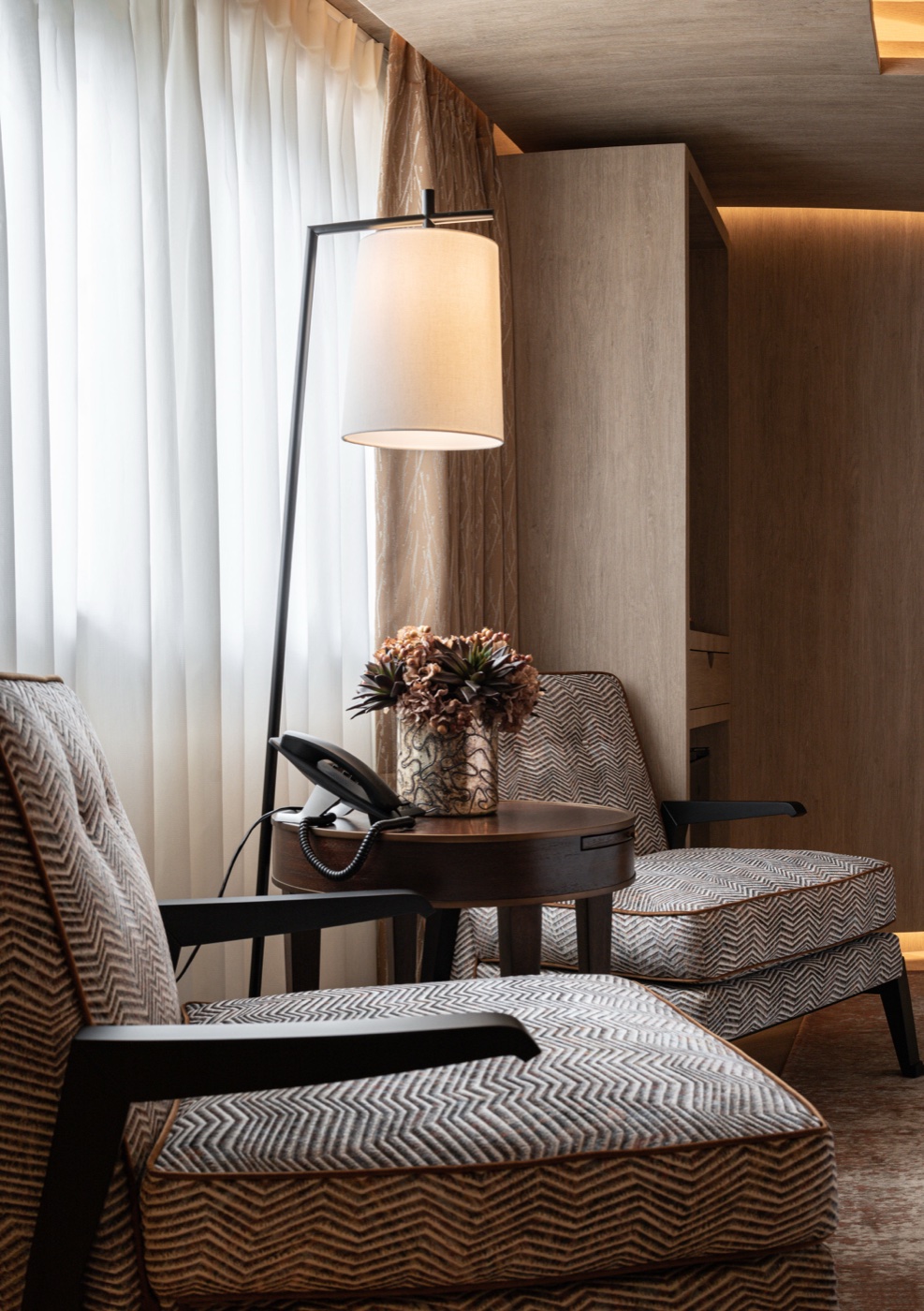
And the same logic applies well beyond food, which is worth saying because I shoot a lot more than just dinner. An AI image of "a hotel room" is not your hotel room. An AI image of "a smiling team" is not your team. The customer eventually walks through the door, and the gap between what you showed them and what they get produces the "looks nothing like the photos" review.
The studies on this, which I've read up on pretty extensively, are fairly brutal by the way. Big chains have enough goodwill to absorb an image that oversells. Independents don't. The people who can least afford the fallout are the ones reaching for the free shortcut sadly.
What faking it says about the rest of your business
This is the part that actually really bothers me, and it's not really about photography.
If a restaurant can't be bothered to photograph its own food, what else can't it be bothered to do? What other corners do they cut? One of the most upvoted comments on Reddit I've seen on the subject, on a thread about AI menus, was simply: "clearly they don't dare show me a real pic of the dish." The image gets read as evidence about the kitchen, the hygiene, the care. Fair or not, that's how trust works.
A cafe in San Francisco found this out this summer. They put AI images of their sandwiches and pastries in the window, locals mocked it online, someone eventually graffitied the shopfront, and the owners spent over $700 undoing the whole thing. They replaced it with a display of... wait for it... their actual pastries! The free option turned out to be the expensive one.
And here's the thing: you didn't even need to
The honest defence of the AI poster is never "it's better". It's "we couldn't afford a designer". I get that, genuinely. But it doesn't survive contact with how cheap doing it properly has become.
Canva is free, exports at proper print resolution, and comes with more decent templates than you could use in a lifetime, without you needing to learn a single bit of design theory. Your phone, in decent light, takes photographs that are completely fine for a social post. I say that as someone who left my professional camera at home and shot an entire trip on a phone to see what would happen. The excuse really isn't money. It's 10 minutes of effort, and your customers can tell exactly which one you spent.
Now for the twist: I use AI constantly
Here's where I lose the photographer purists (unless you actually read on)
I use AI every day. This website, the one you're reading this post on, was largely built with it. I've used it to build booking tools, pricing calculators, and half the systems that run my business behind the scenes. (I even got Claude to simply check over spelling and grammar in this blog for me, because why not?) If the market shifted tomorrow, I'd rather be the person who understands these tools than the person who spent 5 years pretending they'd go away. I wrote about that a while back: I'd rather stay right on the edge of it and actually use it well, and I spend hours watching and reading things that help me refine what I do.
I'll even happily post a daft AI image of myself. When I got booked for 2 shoots in Greece the other day, I made a Funko Pop version of me stood on a Greek beach and stuck it on LinkedIn, because it was fun and because absolutely nobody on earth would mistake it for a real photograph. That's the entire point of it. It's fun and harmless!
So no, I'm not actually anti-AI. The line I draw is much simpler than that.
The difference is whether you're using it as a tool, or a lazy replacement
Using it to lay out a first draft of a poster so you can see the shape of your information? Useful. Using it to write the boring code underneath a booking system? Sensible. Using it to generate the poster itself, or the food, or the smiling customers, and passing them off as real? That's not a tool anymore. That's a small lie about who made what, told to the exact people you're asking to trust you. It's incredibly misleading.
In my opinion, it's only truly wrong when it's lazy, when it's trying to fool someone, when it's disingenuous. That one test covers pretty much every AI decision you'll ever have to make in your marketing.
Why the slop fails even when nobody's offended
Set the ethics aside completely for a minute, because that AI poster you've seen (probably just now somewhere) has a more basic problem: it's really bad at being a poster.
An image model doesn't understand a page. It has no margins, no grid, no concept of where a fold or a bleed goes, which is why the text always ends up crammed against the bottom edge looking subtly wrong. It generates at screen resolution when print needs roughly double that, and in the wrong colour space for a professional printer. I spent years as a graphic designer before photography, and I can tell you the model isn't laying anything out. It's guessing what a layout looks like. I know there are actually printing companies now flat-out refusing to print anything that is generated in ChatGPT etc.
And even when it guesses fairly well, there's a deeper problem: it guesses the exact same for everyone. The founder of a luxury bakery put it perfectly after trying AI graphics for his own brand. They looked polished at first, he said, but "it didn't take long before they stopped standing out and started blending in." That's not a moral objection. That's a marketing one, and it's the one that should worry you most. There are genuinely artists collecting AI event flyers from opposite ends of the UK that are so alike they look like duplicates. Your personal or brand identity is the one thing a model trained on everyone else's identity can't give you.
People can't always spot it. That's actually worse.
Here's an uncomfortable stat - in controlled studies, people are barely better than a coin flip at identifying AI images. In one big peer-reviewed study, participants scored 48% on telling AI faces from real ones, and rated the fake faces as more trustworthy, that's worrying!
So the slop always slips through, right? No, because people know they can't always tell anymore, they've started doubting everything. Something like two thirds of consumers now say they frequently wonder whether the content they're looking at is real. In the UK, 78% of people say they'd trust a brand less for using AI-generated people in its ads. LinkedIn literally added a "seems like AI slop" button last month.
They don't have to spot it. They only have to wonder. And the moment a customer starts wondering whether your photos are real, they've started wondering about everything else you've told them.
This cuts the other way too, and it's why I built Rumbled, a little free tool that reads an image's file and pixels and tells you whether AI made it. The new problem isn't only fakes passing as real. It's real work getting accused of being fake. I've watched photographers online trying to work out how to prove their own photos are real, which is a sentence I never thought I'd have to write. Other people's shortcuts are now a cost paid by the people who didn't take them, and honestly, that's the part that gets under my skin the most.
Where I actually stand
I should be really straight about the state of things, because pretending AI hasn't touched my industry would be its own kind of slop I guess. It has. A survey of UK professional photographers this year found over half have lost some commissioned work to it, mostly the generic stuff, stock-style images of nothing in particular. That work is slowly disappearing, and realistically it won't come back.
But the work where a real, specific human thing has to be shown truthfully, this dish, this moment, this team, can't be generated, because the whole value of the image is that it's evidence. That's the work I do, it's why I'm actually busier than ever, and it's why the restaurant that fakes its photos has completely misunderstood what the photos were for.
Do I think the world would've been better off without AI? Maybe. Honestly, who knows. It's a Pandora's box either way, and there's not much any one of us can do about the direction it's all heading. What I can do is use it where it's genuinely useful, refuse to use it where it's dishonest, and be completely open about which is which. I'll even happily show people some of the more complex and interesting ways I use it. It's nothing to do with image generation or writing though. I'm a photographer, and I absolutely love writing (if you can't tell by the length of this blog)
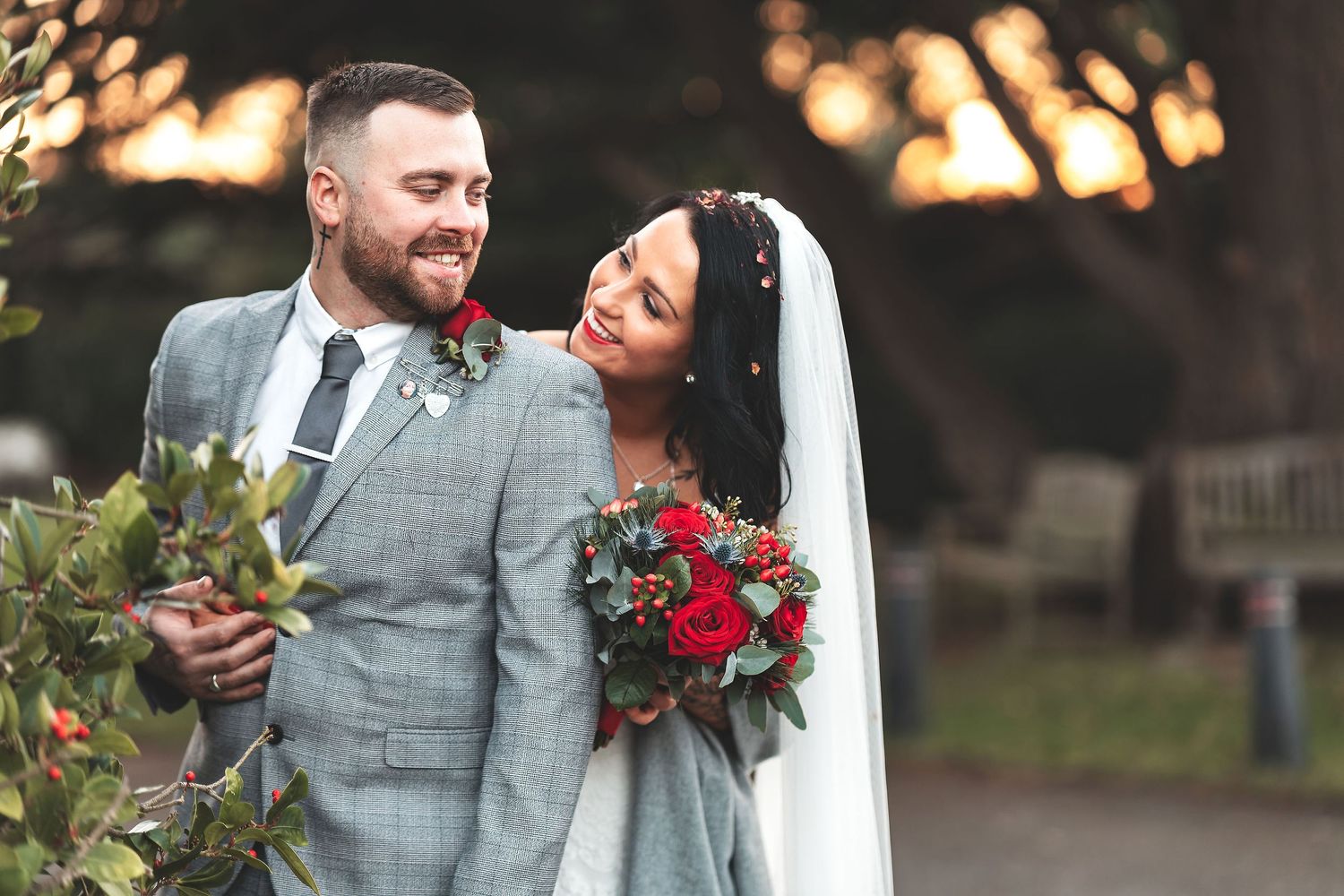
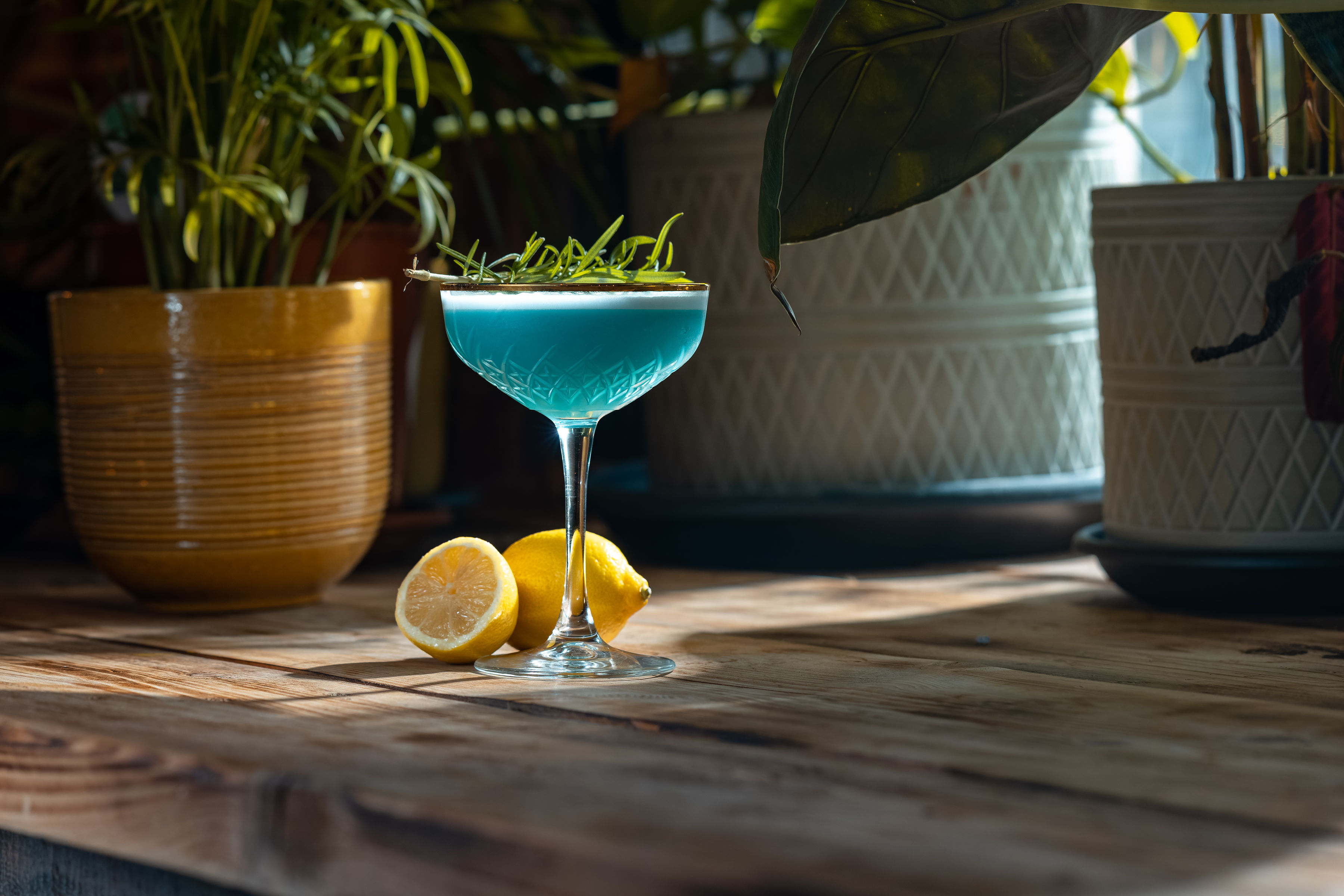
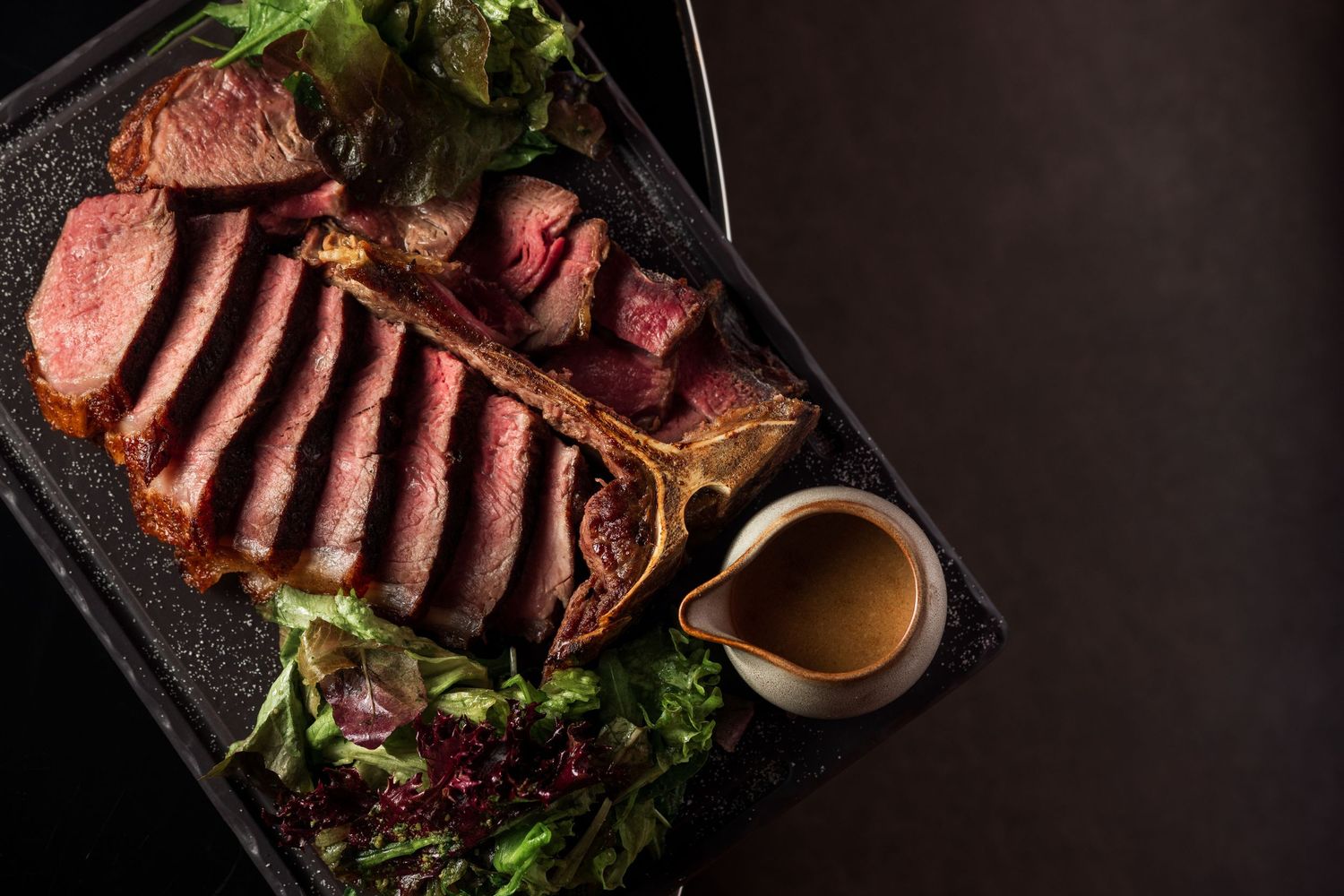
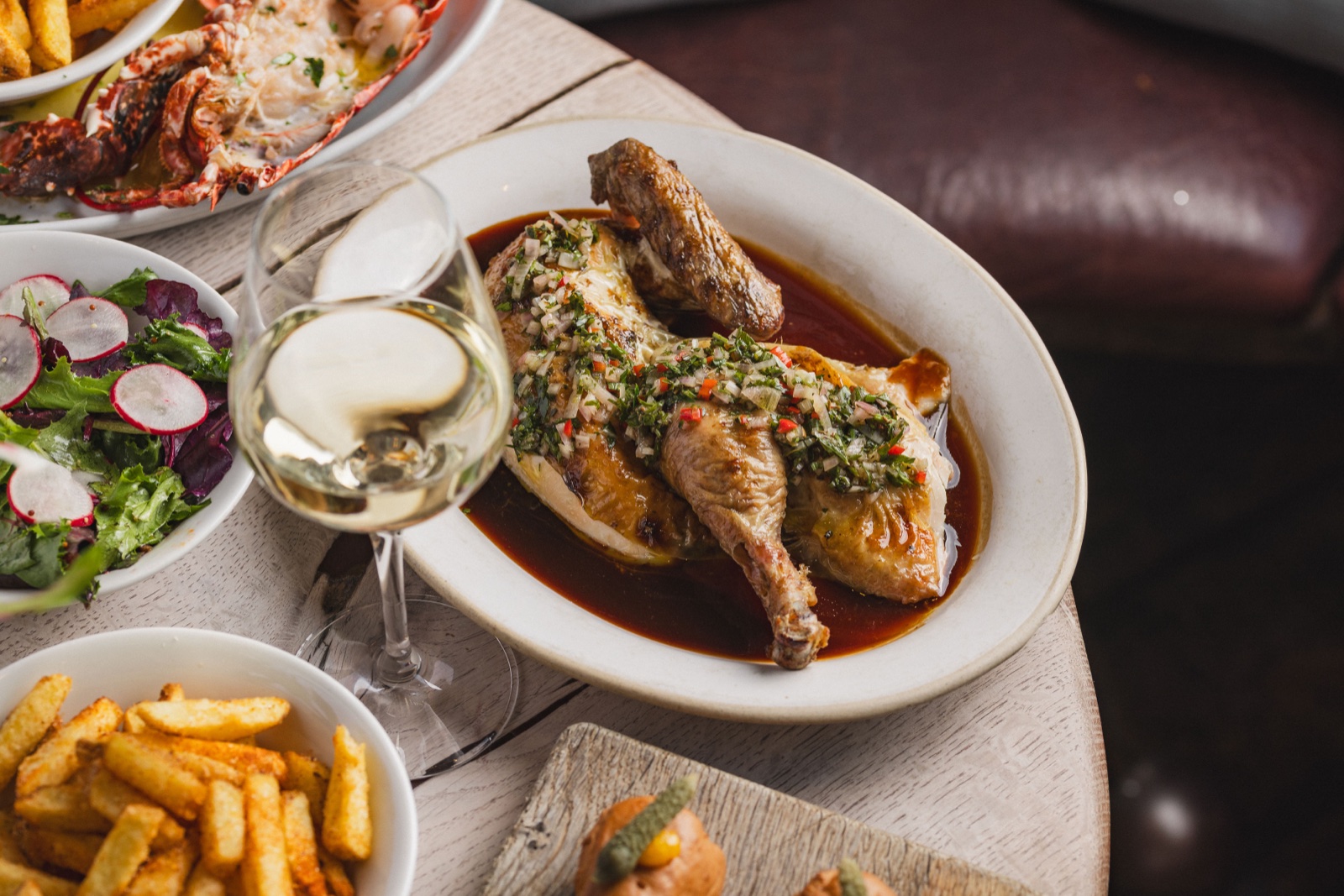
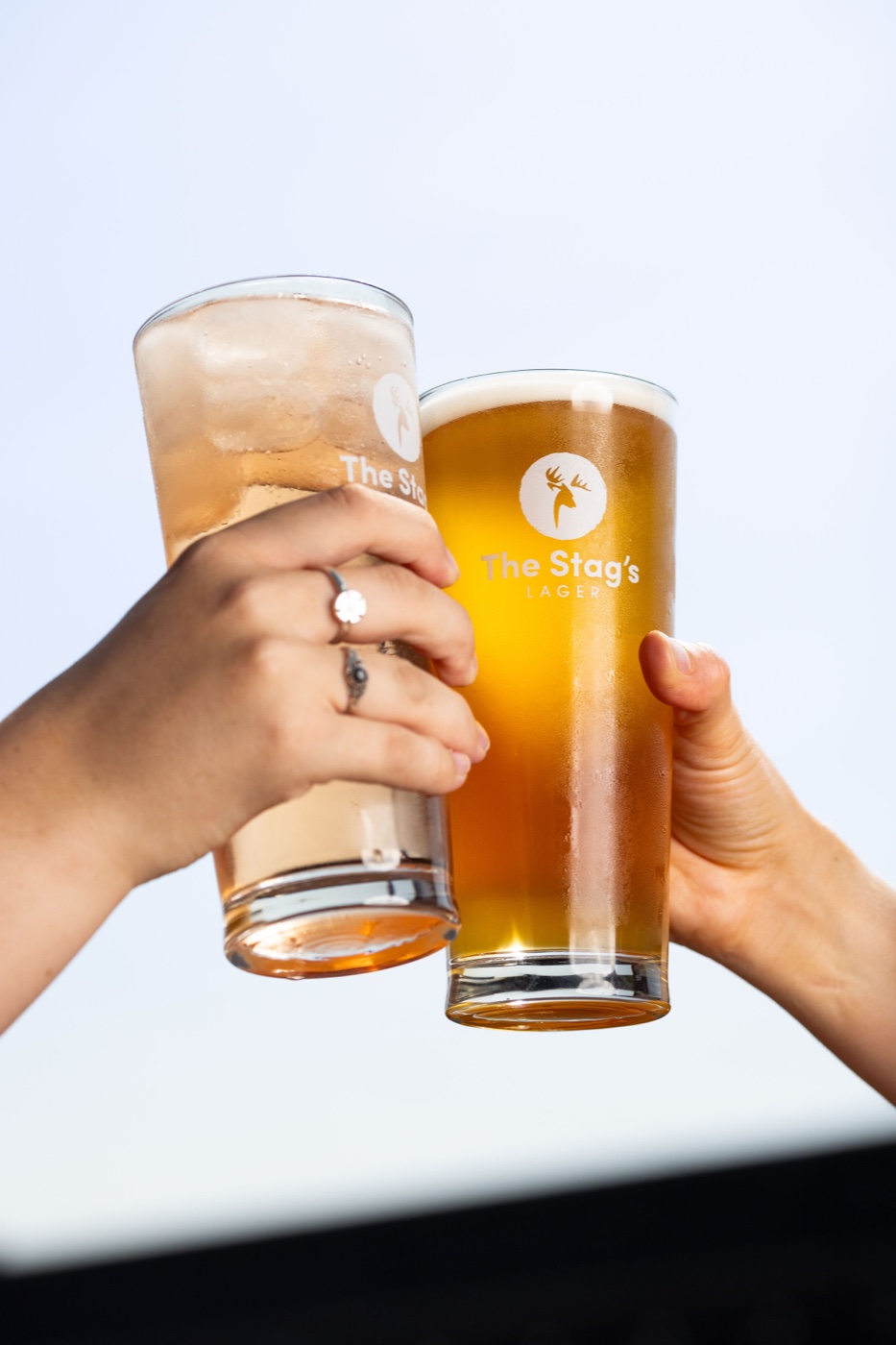
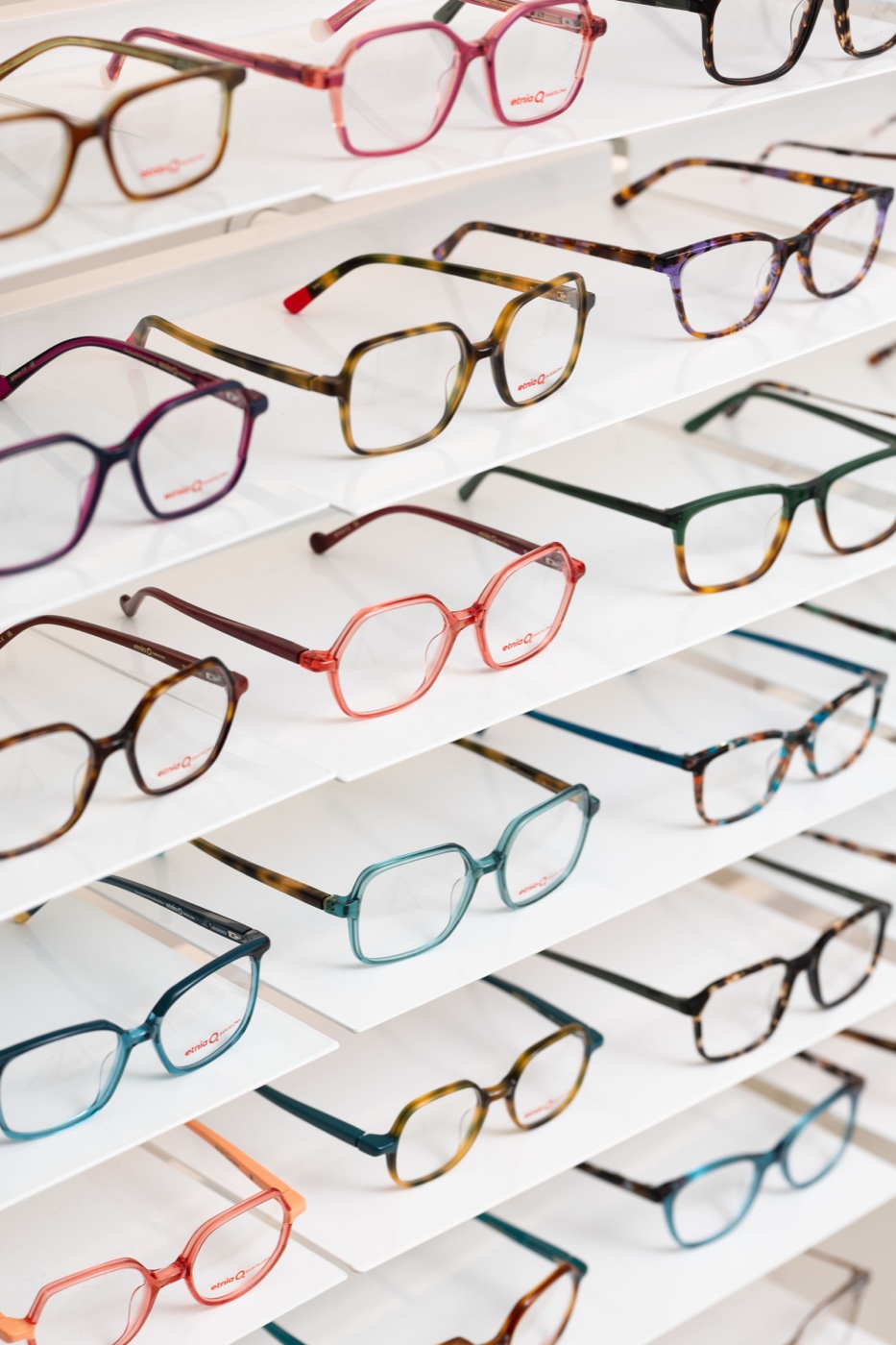
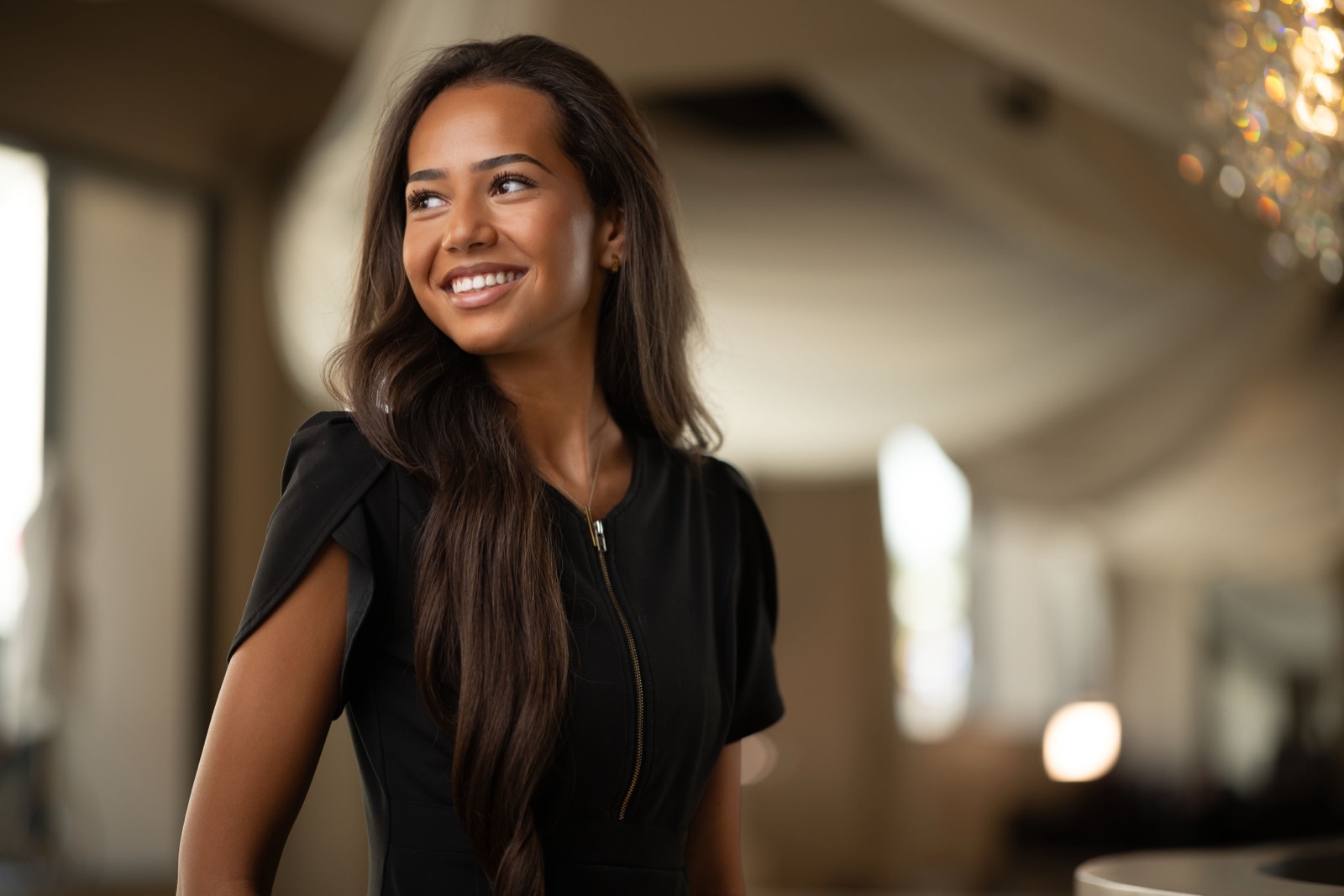
Oh, and the images above. Not one of them is AI. The pints, the glasses, the hotel corner, the food at the top, the staff member at Danica Payne beauticians: all real, all shot by me, on real commercial jobs. If you were sure one of them was generated, that's sort of the point. It's getting harder and harder to tell. You're welcome to run any of them through Rumbled if you don't believe me (let's hope it actually works and gets it right!)
My final thought - If you're a small business staring at that tempting gap between a quick AI poster and doing it properly... your phone, a bit of decent light, and 10 minutes of care will beat the slop every single time. And if you want images that are proof of what you do rather than just plausible guesses, whether that's your food, your venue, your products or your people, that's quite literally what I, and millions of other creatives are for. Get in touch, even if you're just weighing it up. I promise you, we'll make you money, AI though, could lose you customers.
Sources
None of the cases above are made up either (which feels worth saying, given the subject). Here's where they're all reported:
- The San Francisco cafe and its AI menu images: SFGate's report on Grind & Unwind
- The luxury bakery that dropped AI graphics, and the near-identical event flyers collected from across the UK: The Independent's piece on AI poster slop
- Uber Eats' AI-generated menu images and what they got wrong: PetaPixel's coverage
- The McDonald's behind-the-scenes video: Behind the scenes at a McDonald's photo shoot
- The study where people scored 48% on spotting AI faces: Nightingale & Farid, PNAS
- The 78% of Britons who'd trust a brand less over AI-generated people in ads: YouGov, July 2026
- The survey of UK photographers who've lost work to AI: PetaPixel on the Association of Photographers' findings
- LinkedIn's "seems like AI slop" button: TechCrunch, July 2026
Quick answers
Is professional food photography fake?
Not any more, no. The mashed potato ice cream and motor oil syrup tricks were real in the 1960s and 70s, but regulators ended that era decades ago, and the product in an advert now legally has to be the actual product. On my own shoots the most I have ever done is a cocktail stick holding a dish together. It is the chef's real food, given proper light and a bit of time.
Can people tell when an image is AI-generated?
Not reliably. In controlled studies people score barely better than a coin flip, and in one large peer-reviewed study the AI faces were actually rated as more trustworthy than the real ones. The knock-on effect is the real problem: because nobody can tell for certain, people have started doubting everything, including genuine photography.
Is it OK for a small business to use AI-generated images?
It depends what for. Using AI as a tool behind the scenes, or for something obviously daft that fools nobody, is fine. Using it to generate your food, your venue or your team and passing that off as real is where it goes wrong, because the entire value of those images is that they are evidence of the real thing. Surveys consistently show customers trust a business less once they spot AI imagery in its marketing.
Do restaurants have to use real photos of their food?
In the UK, the advertising code says marketing must not materially mislead, and that includes the overall impression an image gives. Delivery platforms such as Uber Eats have also tightened their rules so dish photos represent the actual dish. Beyond the rules, the expectation gap is what really costs you: photos that oversell are what produce the looks nothing like the picture reviews.